One look. Any subject.
How to turn a picture you like into a recipe and repeat its look as many times as you want. An experiment with five looks, three subjects, three AI image models and two languages, with the prompt to copy, every picture, every score and what still does not work.
It started in a class I could not teach
Design is a passion of mine, and I keep studying it. I studied graphic design in Darmstadt, Germany, and I have worked with artificial intelligence since 2016.
In November 2026 I taught a course called the AI Circus with Miami Ad School Punta Cana. It is a hands-on course for a creative team in the Dominican Republic: five sessions of three hours, in Spanish, with people working in pairs. Each session is an act. The last act puts the four before it together into one way of working with AI models.
Act 4 was about visual consistency: how to make many pictures that look like they came from one photo shoot. That is not my specialty. So Kevin Hutchinson Cortés, a graphic designer and art director and the second teacher of the course, gave that lesson on 20 November 2026. I learned much that day.
The idea: turn a picture into a recipe
Kevin's idea is simple.
Take a picture you like. Show it to Claude, the AI model made by Anthropic, and ask it to look at the picture the way a director of photography would. Claude writes down how the picture is made: the lens, the light, the color, the texture. It writes this as a short structured list, a format called JSON. I call that list the recipe.
Then you paste the recipe into every image prompt and change only the subject. Twenty pictures look like one photo shoot.
The look becomes replicable across locations, subjects and actions. A picture you made, shot or own becomes something you can repeat as many times as you want.
The method is Kevin's. The mistakes are ours.
Who this is for
Anyone who needs many pictures that look like one family.
- Brand teams. A campaign needs twenty pictures with one look. This keeps them together.
- Designers. You found the look. Now you need it on ten more subjects.
- Agencies. Show a client one look across a whole idea, before anyone books a shoot.
- Small businesses. Every post, flyer and menu can look like the same brand. Anyone on the team can do it.
- Teachers and students. A clear exercise to learn what a look is made of.
You need a picture you like and an AI model that can read it. No code.
What we tested
I left the class with a question. Does it work with any look, any subject, any AI model? In Spanish too?
At Unpredator we wanted to know how far it goes, so we tested it between 20 and 22 November 2026.
- Five looks. Five of my own Midjourney pictures, as different as I could find: a blurry night storm, old slide film, backlight in haze, a white studio and an inked comic. One look proves nothing, so we tested five.
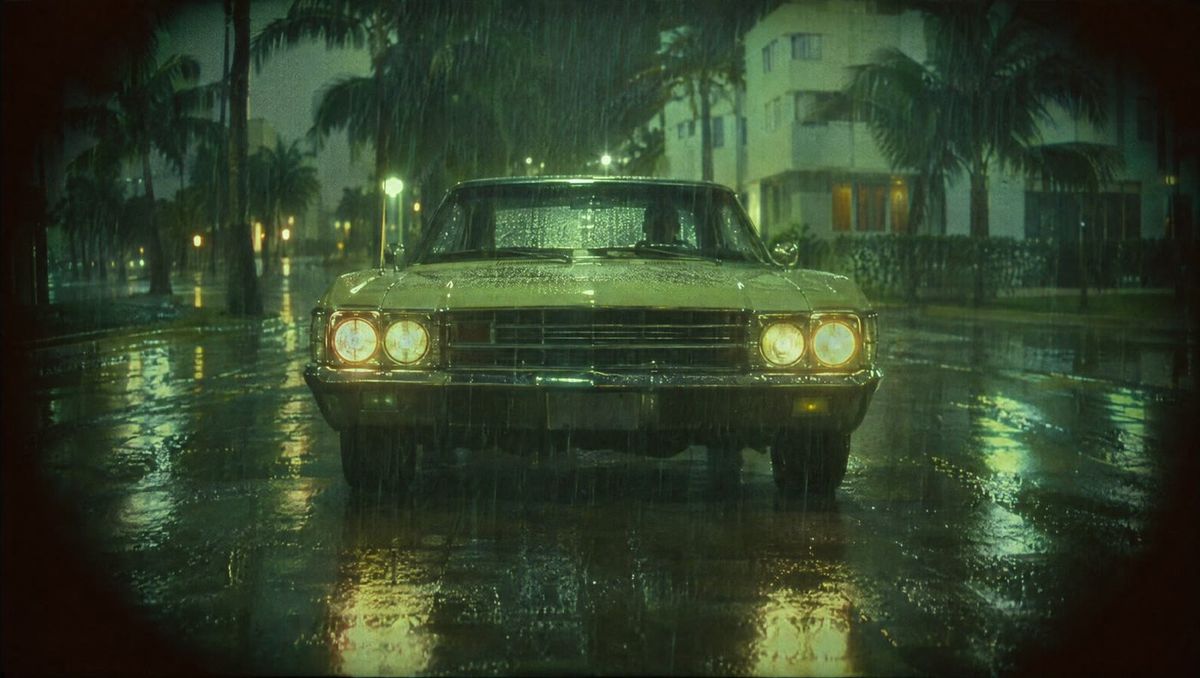
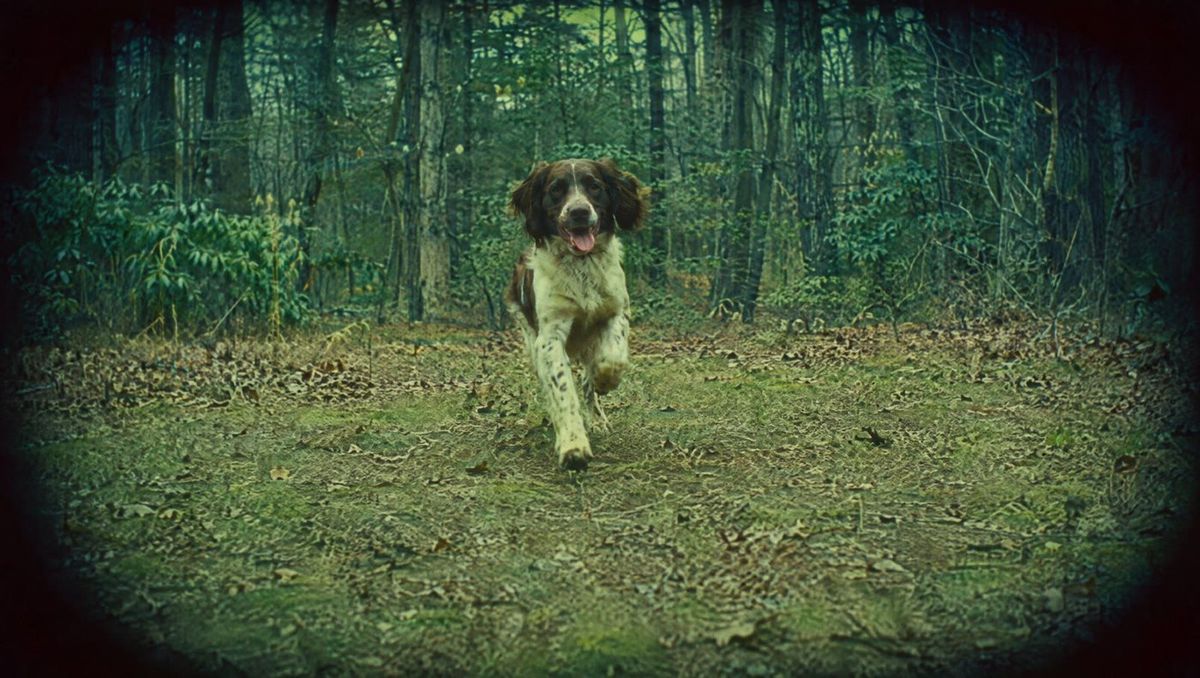
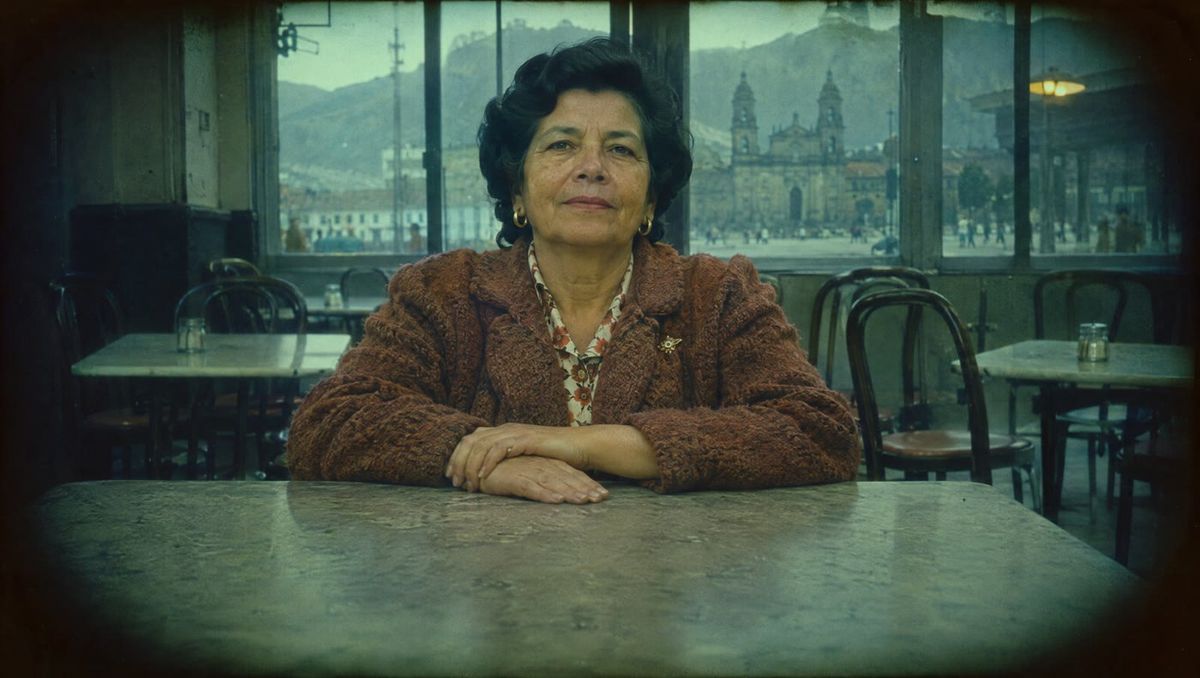
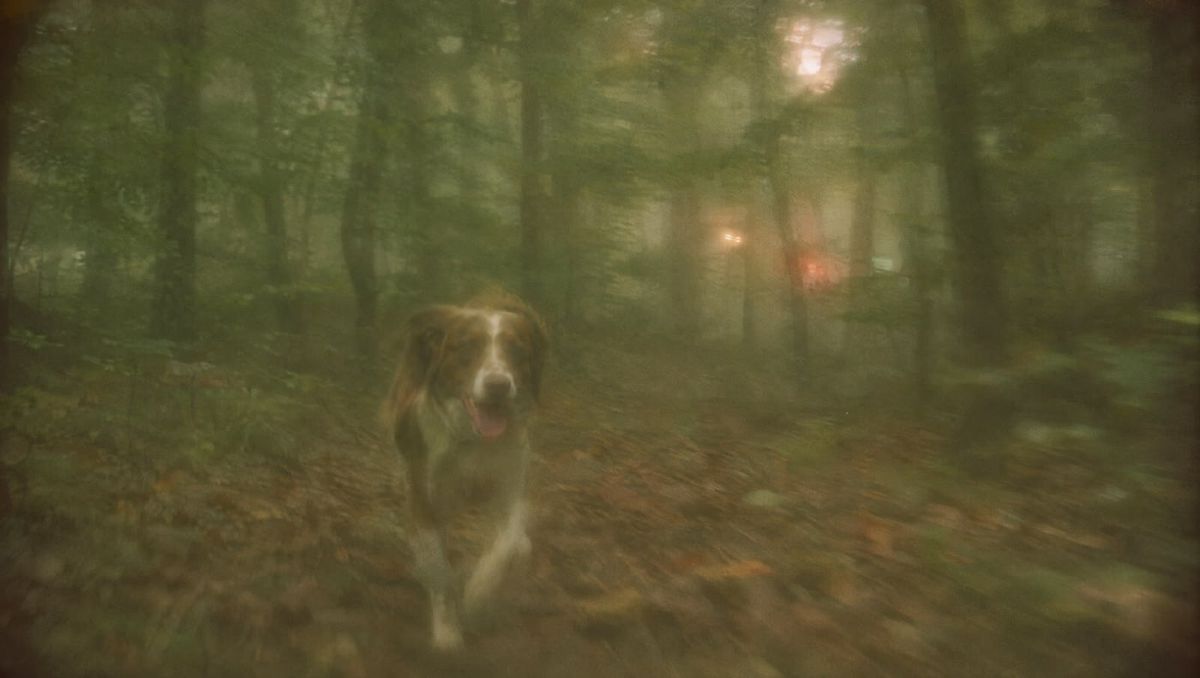
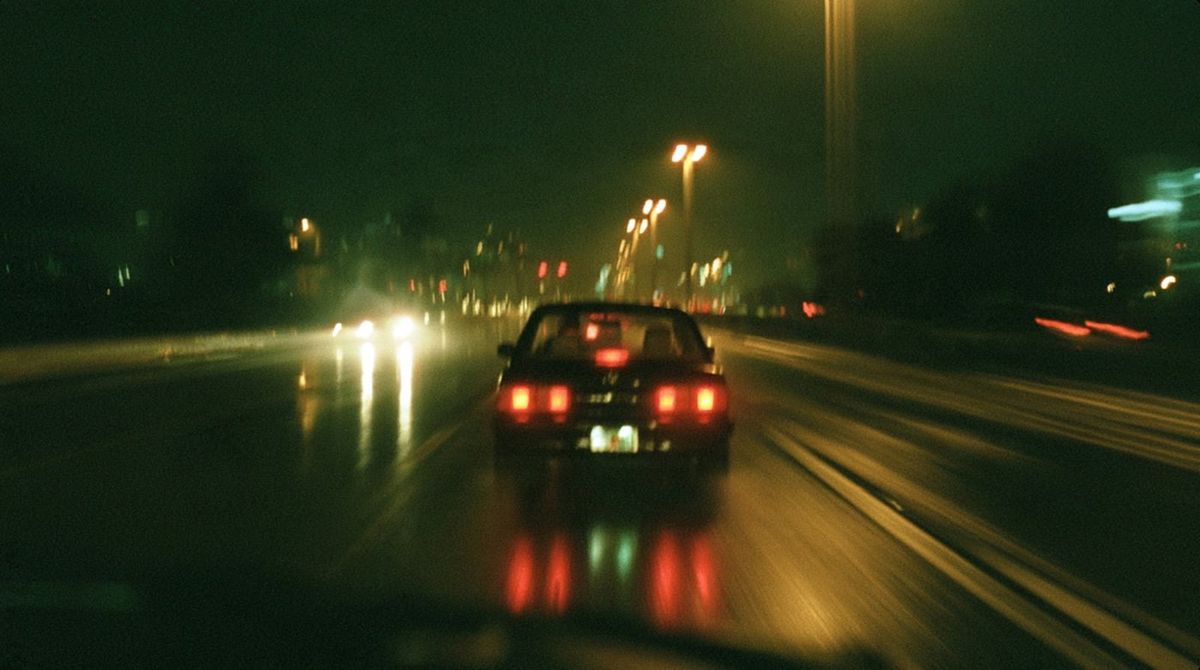
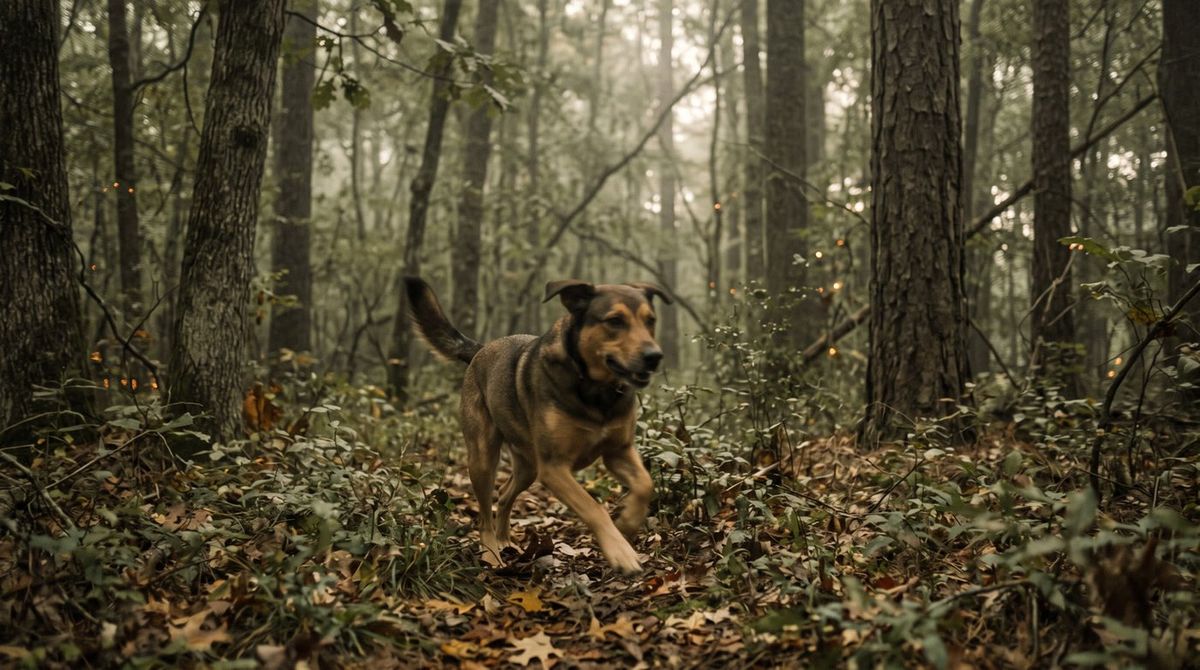
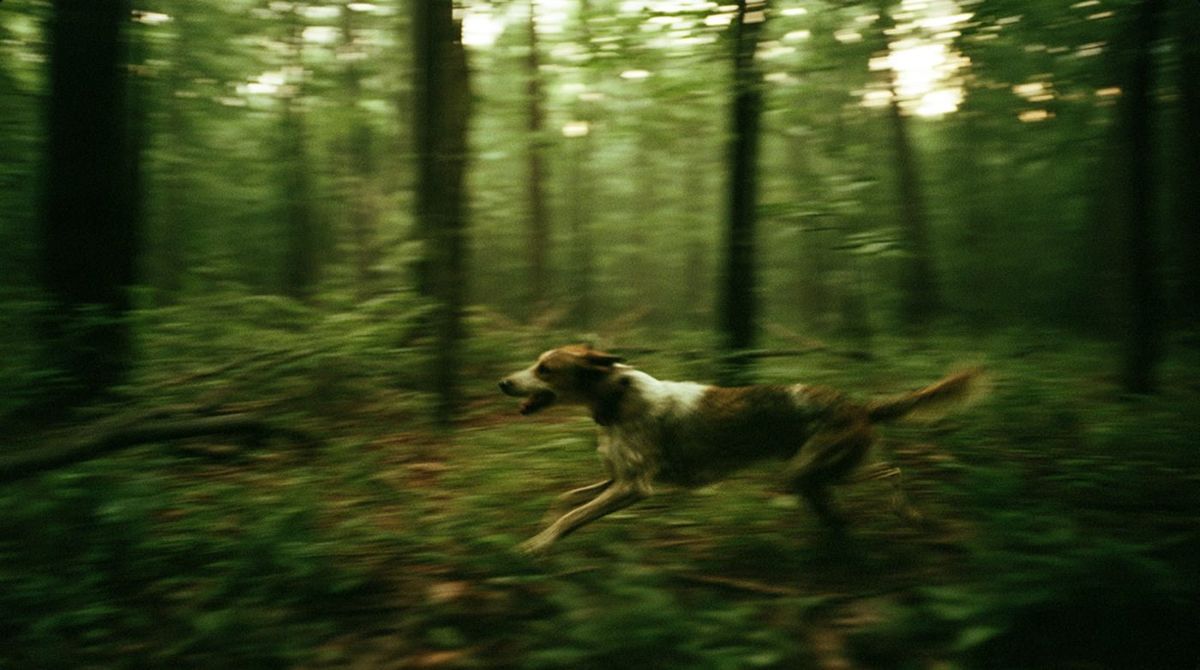
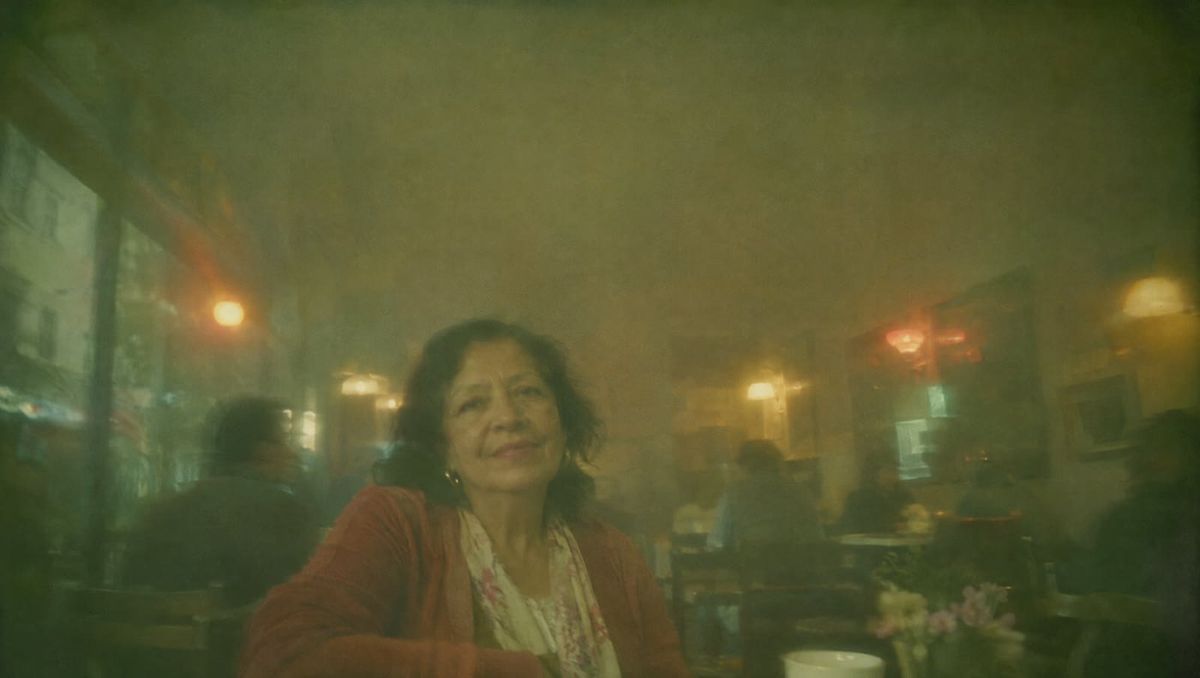
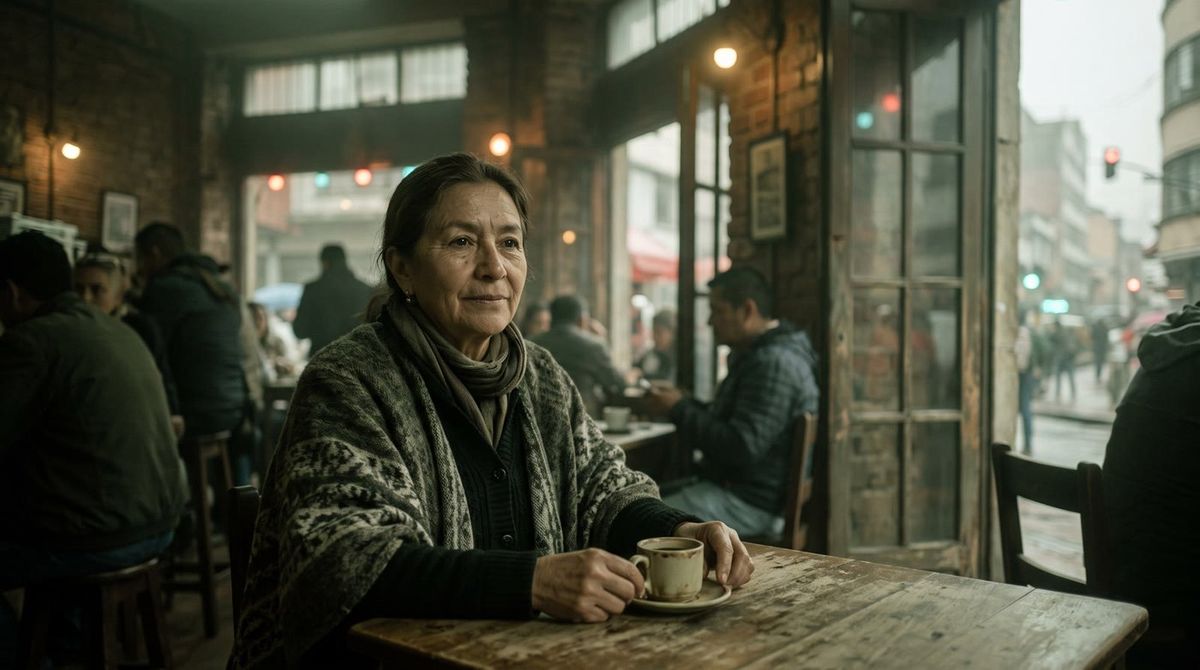
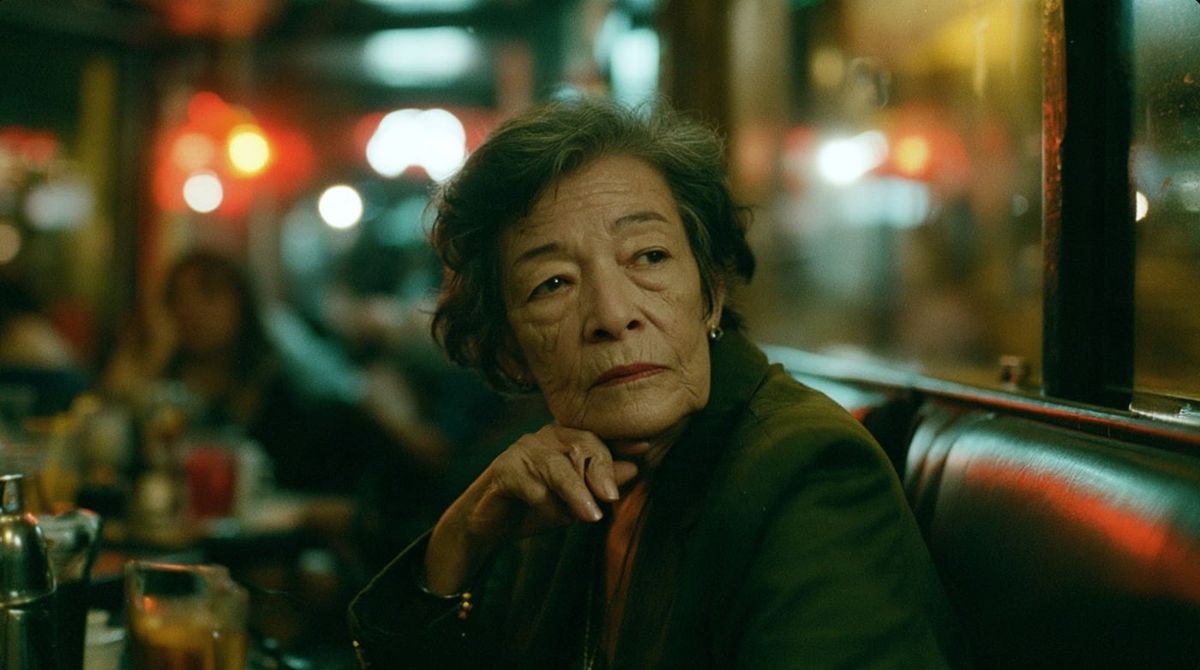
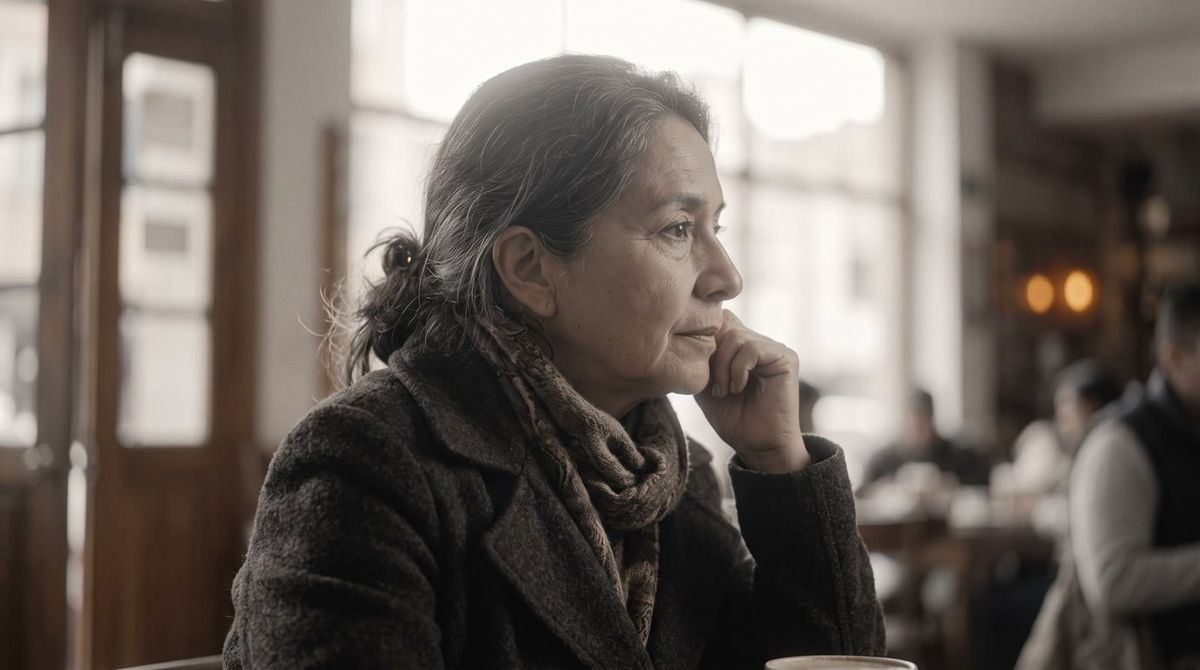
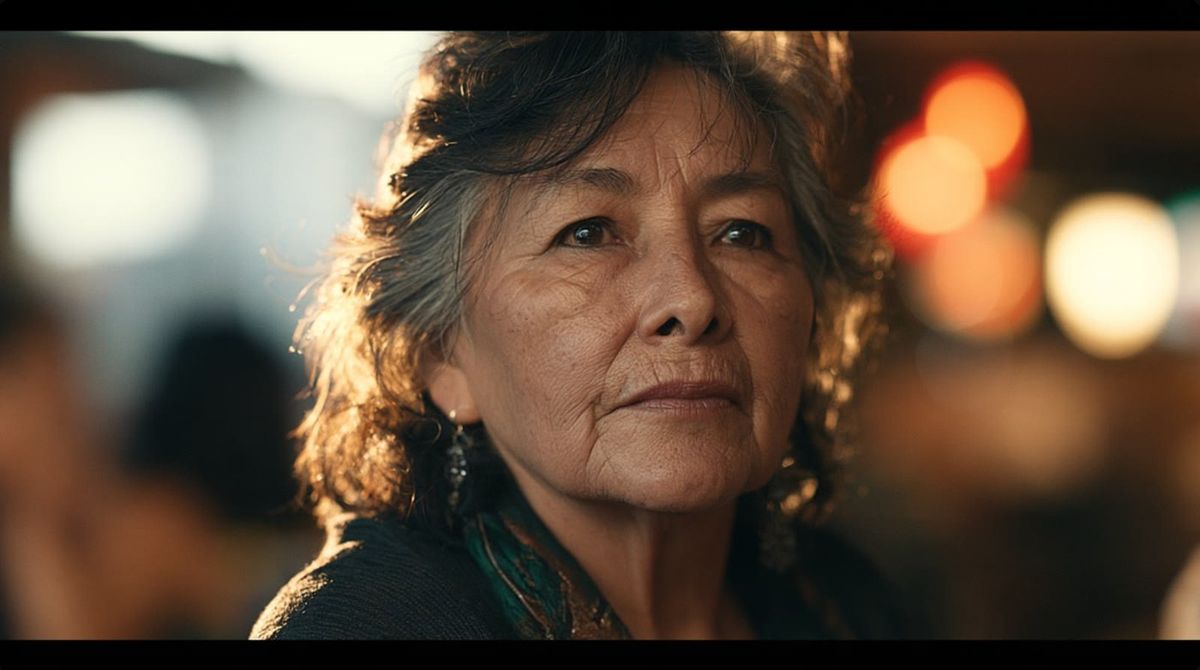
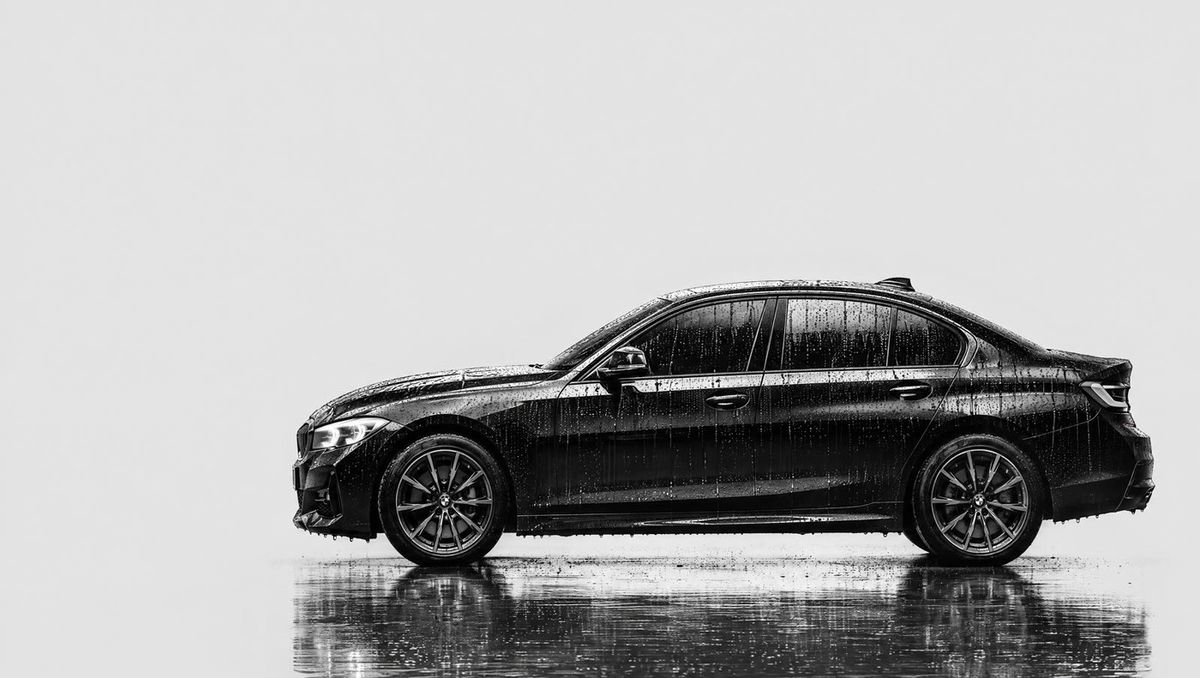
- Three subjects. A car on a rainy night in Miami. A dog running in a forest in North Carolina. A 60-year-old Colombian woman in a café in Bogotá. A thing, an animal and a person, each with a place and an action.
- Three AI models that make images. GPT 2.6 from OpenAI, Nano Banana 2.1 from Google and Midjourney 8.2. Nobody uses only one.
- Two languages. Kevin teaches in Spanish, and many of my clients work in Spanish. We made the final 45 pictures with the recipe in Spanish, then again in English.
- Two scores, from 1 to 5. Look: does the picture belong with the reference? Subject: is everything we asked for there, the thing, the action, the place and the time?
Across every round we made 126 pictures.
The first try put a neon sign in the forest
The first reference was a man running through a storm at night. Claude read it and wrote a recipe. The recipe said "neon, signs and headlights".
Then we asked for a dog running in a forest. The dog in the forest got a neon sign and a car behind it.
The image model did exactly what the recipe said. The recipe was wrong. It had written down things that were in the picture, when it should only have written how the picture was made.
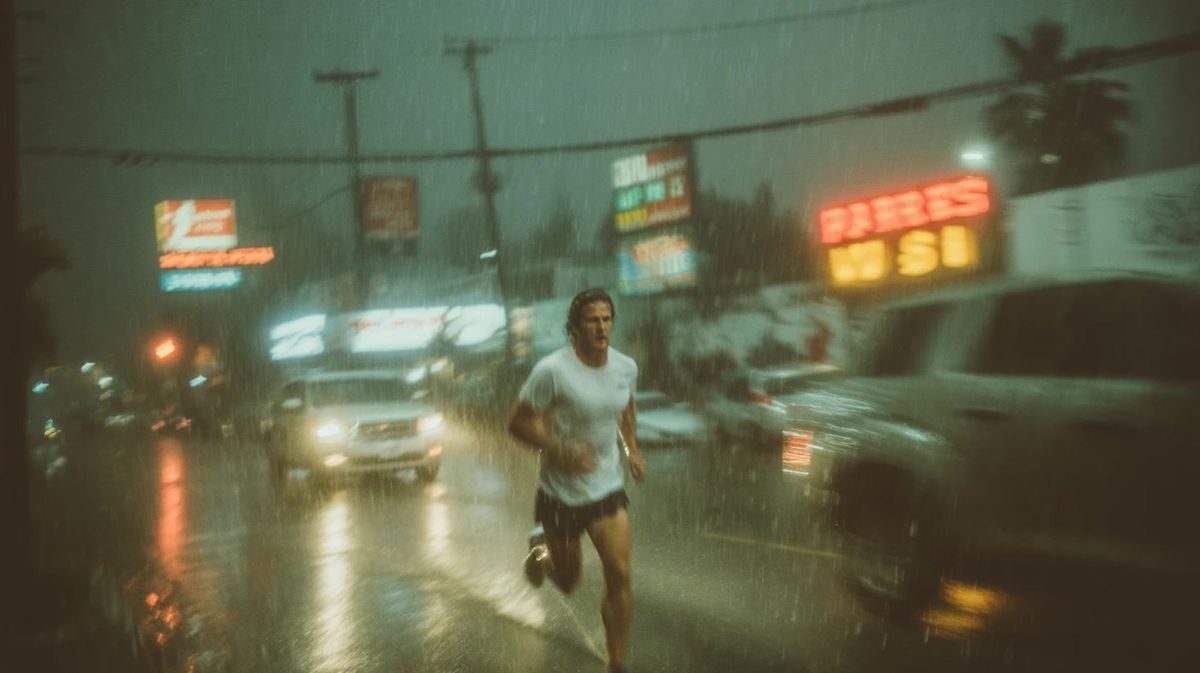
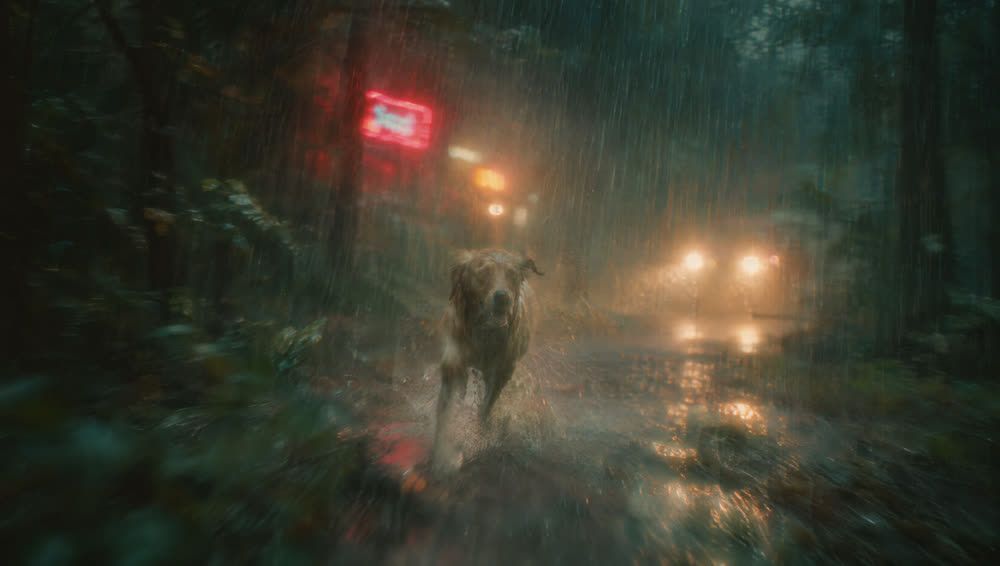
We call that a leak: something from the reference picture that slips into the recipe and then into every new picture.
We found three more leaks while fixing the prompt.
- The white dog. The reference was a white sheet. The recipe said "the subject is almost white". The car, the dog and the woman's clothes all came out white.
- The flamingo. The recipe said "an absurd gesture". GPT put a flamingo in the car.
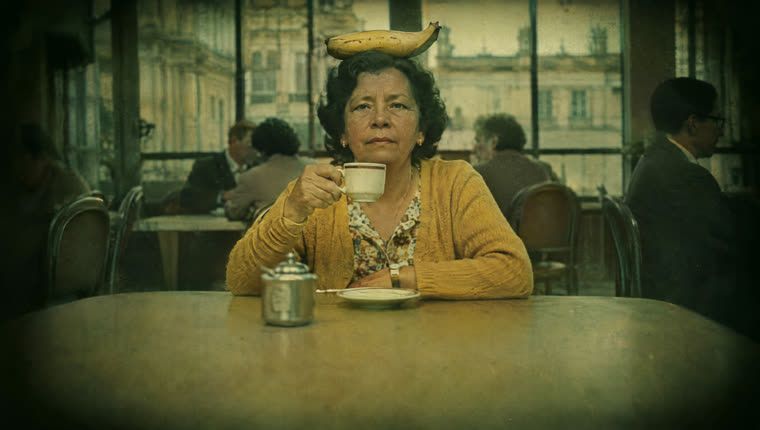
- The banana. Same line. The woman in the café got a banana on her head.
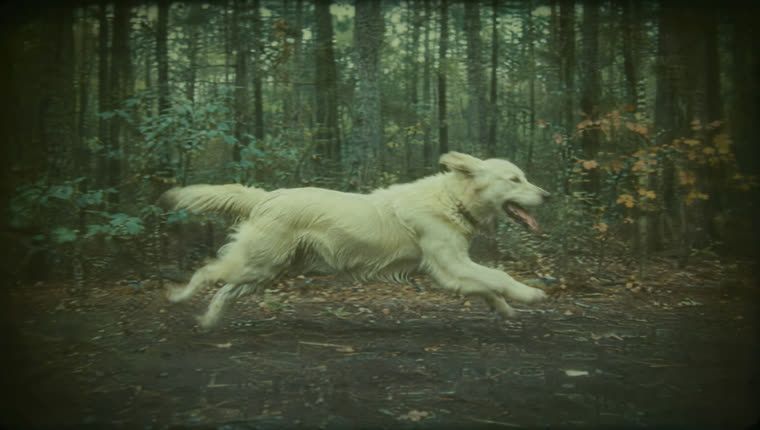
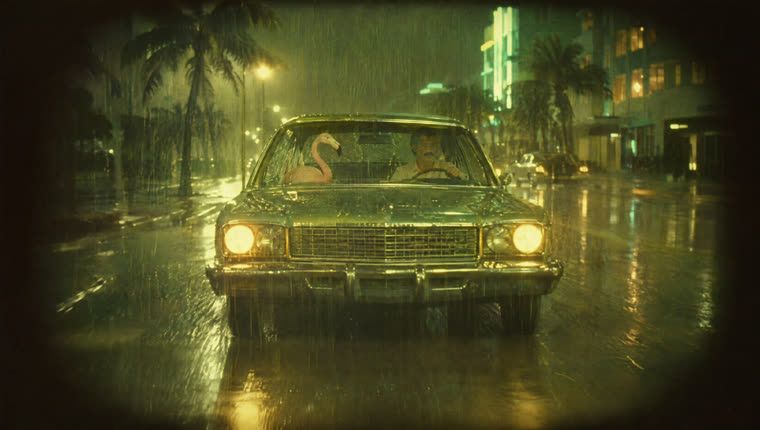
Four rules that made the look travel
- Fill a throw-away box first. Claude lists what belongs only to this picture: the subject, the place, the weather, the hour. None of it may go in the recipe.
- Never say the subject's color. Color belongs to the light and the film. Say how the picture would tint anything placed in front of the camera.
- Say how it is made, never what happens. No gestures, no events, no stories. This removed the flamingo.
- Test it on three subjects. A car at night, a dog in a forest, a person indoors. Delete any line that does not fit all three.
On the same two looks, GPT went from 21 out of 30 to 30 out of 30 for look. Nano Banana went from 12 to 23.
The whole method in four moves
- Read. Give Claude your picture and the prompt below. It writes the recipe.
- Check. Read the recipe beside the picture. Delete any line that names a thing, a place, an hour or an event.
- Make. Write one line for the subject, add "No text.", then paste the recipe. Use the same recipe every time.
- Look. Put the results beside the reference. Do they belong to the same shoot?
Fibo read each reference three times, each time from zero. The three recipes agreed on every essential.
The prompt, to copy
Copy all of it, attach your picture and send it to Claude. It also works with other AI models that can read pictures. We only tested it with Claude.
Analyze the attached image the way a director of photography would if they had to repeat this exact look tomorrow with other subjects, in other places: maybe an object at night, an animal in nature, a person indoors. Return ONLY a JSON, in English, with this structure. Each field, one short sentence.
{
  "only_in_this_photo": [],
  "look": {
    "medium": "",
    "signature": ["", "", ""],
    "camera": { "lens": "", "angle": "", "height": "", "depth_of_field": "", "movement": "" },
    "framing": { "subject_size": "", "subject_position": "", "air": "" },
    "light": { "type": "", "direction": "", "hardness": "", "temperature": "" },
    "color": { "shadows": "", "midtones": "", "highlights": "", "saturation": "", "accents": "" },
    "contrast": "", "texture": "", "imperfections": "", "atmosphere": "",
    "never": []
  }
}
Rules:
1. Fill "only_in_this_photo" first: everything that belongs to this scene and not to the look. The subject and its color, what the subject is doing, what happens in the scene, the things, the place, the ground, the sky, the weather, the time of day, any recognizable light source. That list gets thrown away; it exists so none of it ends up in "look".
2. Nothing from that list may appear in "look", not even in other words. No wet ground, rain, sky, street, headlights, buildings, clothes, skin.
3. "look" says how the image is made, never what happens in it. No gestures, actions, situations, humor or stories, not in "signature" and not in "atmosphere". "atmosphere" is the feel of the air and the light, in a few words.
4. Never say what color or how bright the subject is. Color belongs to the light, the shadows and the processing of the image: describe how this image tints anything placed in front of it.
5. "accents": if there are small vivid colors, say how many and which, and write: "only in small background lights, if the scene has them; if not, leave them out". Never as objects, clothes or beside the subject.
6. "framing" speaks only of sizes and positions inside the frame, in fractions. Never of things at the edges.
7. Always say "the subject", whatever it is. No body parts.
8. "medium": what it seems to be made with (type of camera or film, or the technique if it is an illustration). "signature": the three things without which this look stops being this look, from most to least important. "imperfections": what a clean modern camera would not have. "never": what would break the look, five at most.
9. If something cannot be known for sure, write "(estimated)".
10. Before answering, test the recipe in your head on three subjects: a car at night, a dog in a forest, a person indoors. Delete or rewrite any line of "look" that does not work for all three, or that would put a thing, a place or an event in the image that nobody asked for.
This is what comes back. It is the recipe of the second look, old slide film, with the throw-away box already removed.
{
  "medium": "Color film from the sixties or seventies, like expired Kodachrome or Ektachrome, 35 mm analog camera (estimated).",
  "signature": [
    "Old film processing with highlights that shift to yellowish green and cold shadows that lean blue.",
    "A dark, marked vignette that closes the corners and pulls the eye to the center.",
    "A frontal, flat, centered composition, with the subject isolated in a wide, still space."
  ],
  "camera": {
    "lens": "Normal to slightly wide, about 35 to 40 mm (estimated).",
    "angle": "Frontal and straight, no tilt.",
    "height": "Chest height, a little below the middle of the subject.",
    "depth_of_field": "Deep; the subject sharp and the background barely softened.",
    "movement": "Fixed camera; the subject frozen with no motion blur."
  },
  "framing": {
    "subject_size": "The subject fills about three quarters of the width and half the height.",
    "subject_position": "Centered horizontally, in the upper two thirds of the frame.",
    "air": "A lower third of empty space and little air above; wide landscape format, close to 16:9."
  },
  "light": {
    "type": "Diffuse natural light.",
    "direction": "Frontal and soft from above, no defined shadows.",
    "hardness": "Very soft, almost no cast shadows.",
    "temperature": "Neutral to cool, with a greenish cast from the processing."
  },
  "color": {
    "shadows": "Deep, between petrol blue and greenish black.",
    "midtones": "Muted, grayish with an olive and cyan tint.",
    "highlights": "Creamy, shifted to pale lime green, no pure white.",
    "saturation": "Moderate and uneven, with warm colors that keep their strength over a muted base.",
    "accents": "Two, mustard and blue-green, only in small background lights, if the scene has them; if not, leave them out."
  },
  "contrast": "Medium high, with dense blacks and highlights that never blow out.",
  "texture": "Fine but visible film grain and the soft sharpness of old optics.",
  "imperfections": "Strong vignette, greenish color cast, slight loss of sharpness at the edges and blacks without detail.",
  "atmosphere": "Still, silent, slightly unreal air, with pale, cold light.",
  "never": [
    "The clean, neutral whites of a digital camera.",
    "Hard light with marked shadows or dramatic backlight.",
    "High, even saturation or neon colors.",
    "Tilted angles, extreme high angles or very wide distorting lenses.",
    "An image with no grain and perfect digital sharpness."
  ]
}
And this is how the recipe goes into an image prompt. Only the subject line changes.
Photograph. Subject: a dog running in a forest in North Carolina. No text.

Cinematography direction, apply it exactly:
(paste the recipe here, unchanged)
The five looks, picture by picture
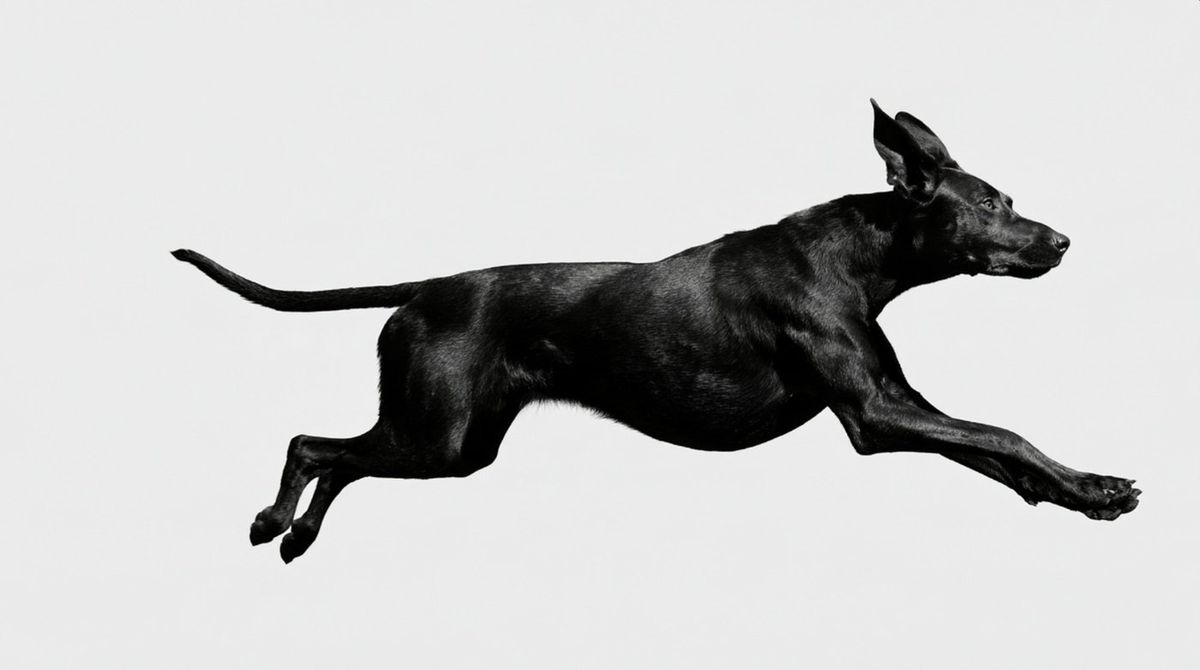
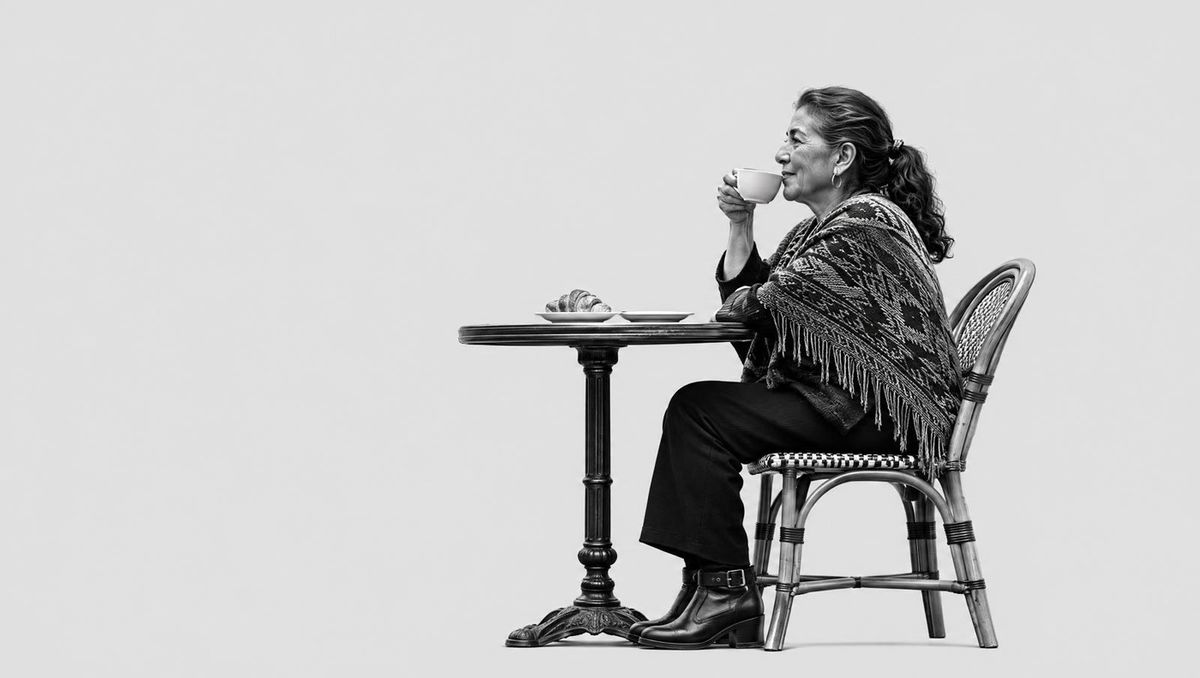
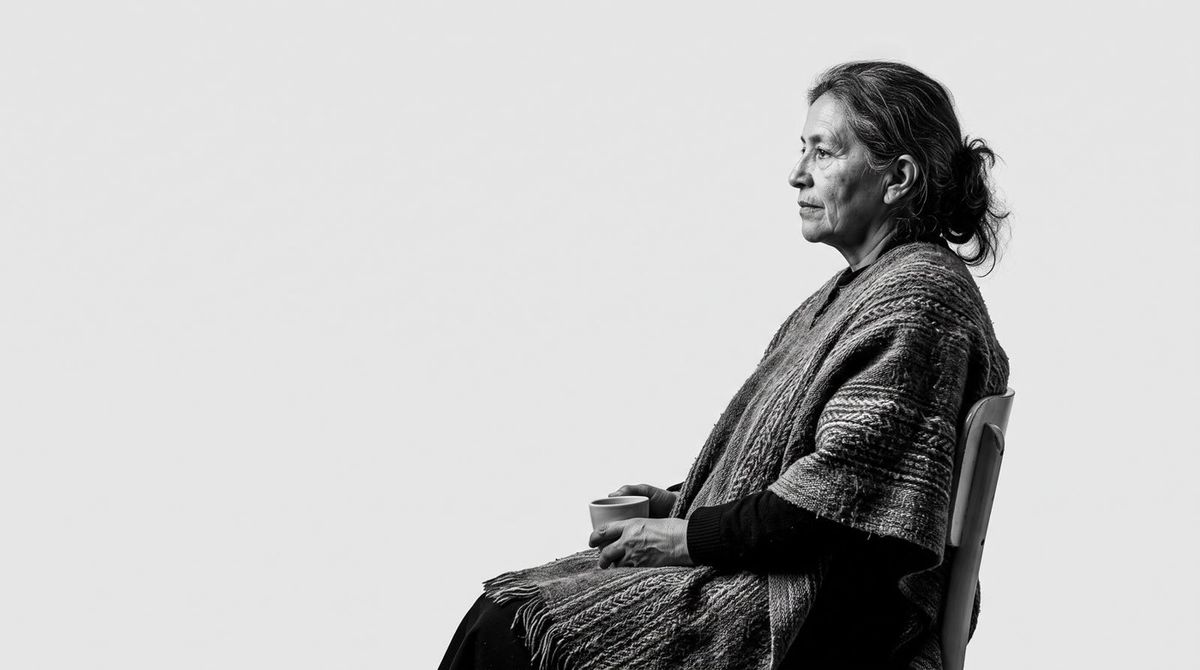
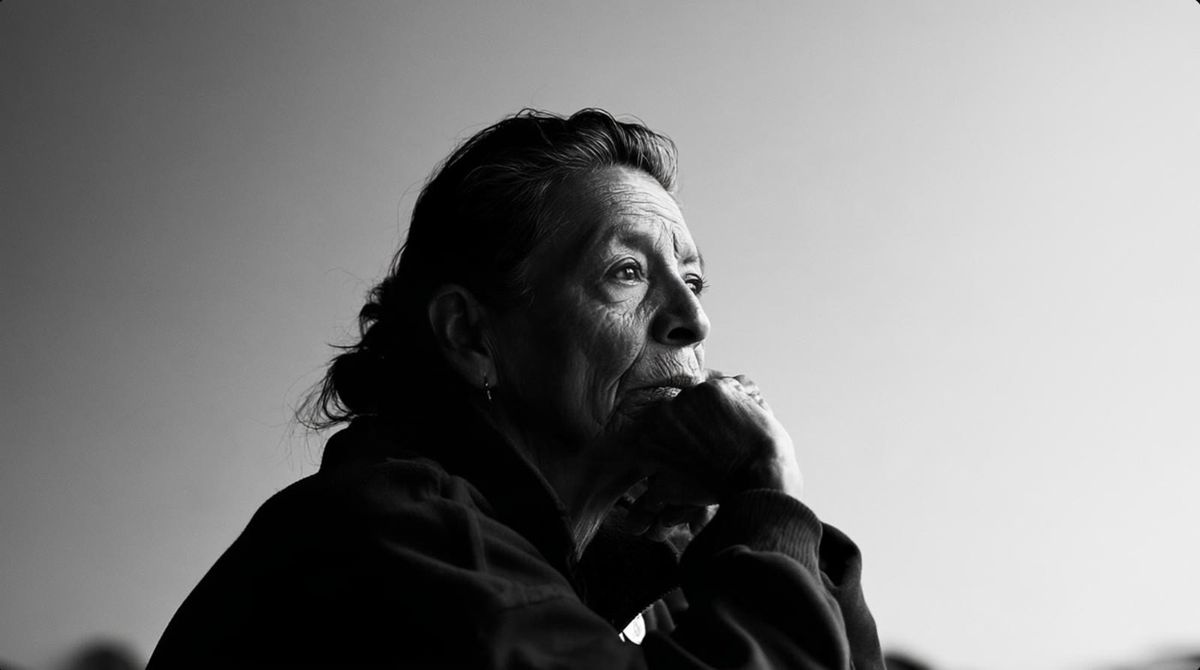
Every picture below was made once. We did not pick the best of several tries. Each one has two scores: look and subject, from 1 to 5.
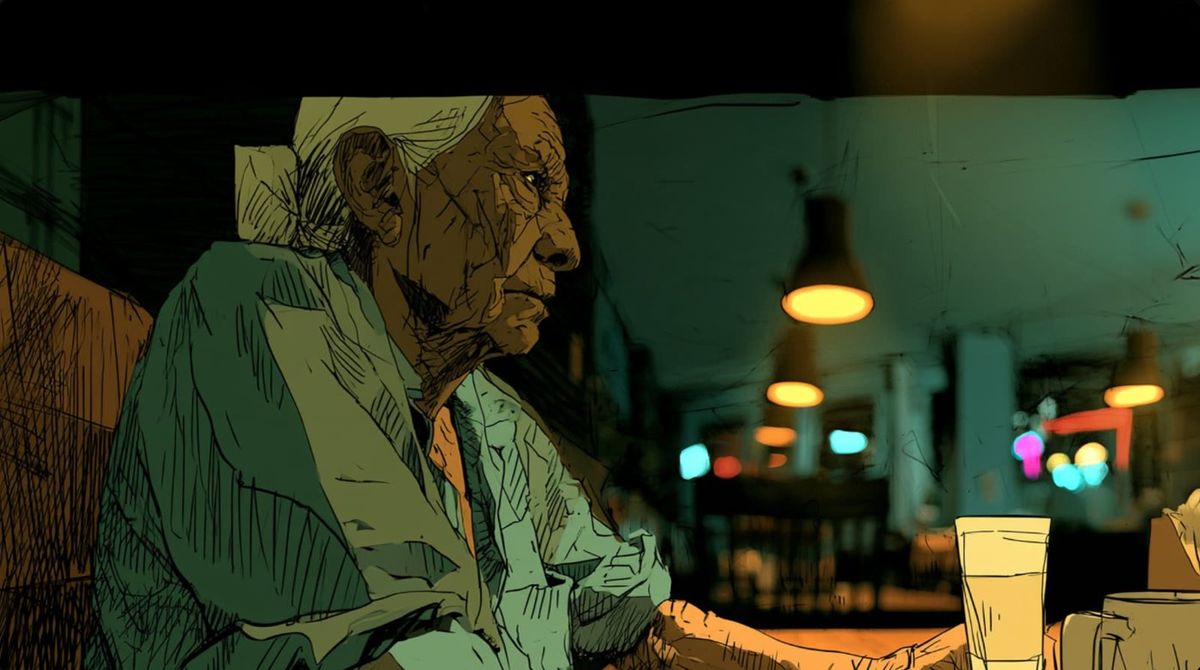
Look 1 of 5: Storm on the run
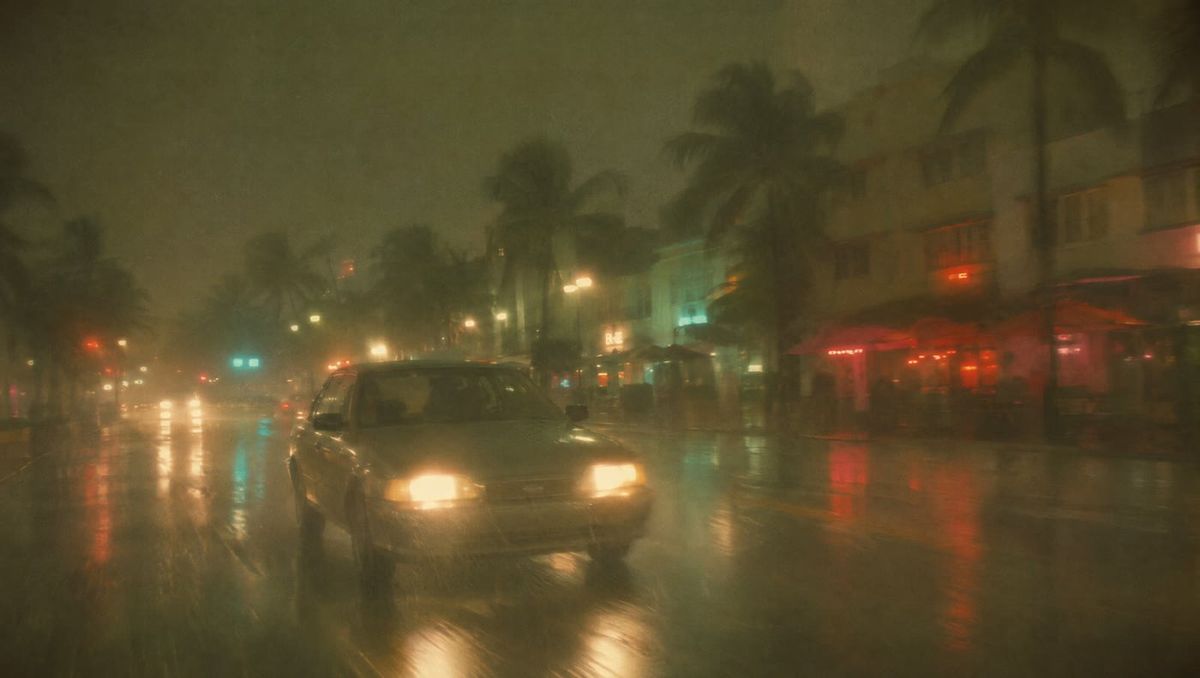
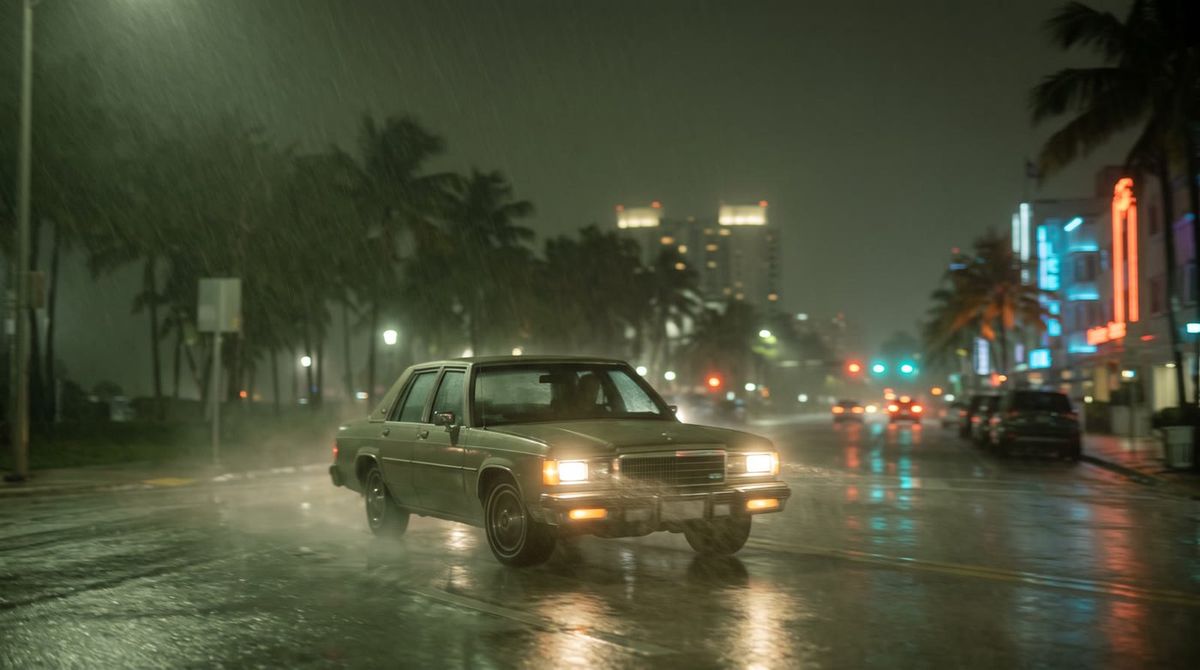
The recipe in one line: Washed olive green, motion blur, grain, small warm lights.
GPT matched the blur and the green. Nano Banana made it sharp. Midjourney made the most real blur of the test.
A car on a rainy night in Miami
A dog running in a forest in North Carolina
A 60-year-old Colombian woman in a café in Bogotá
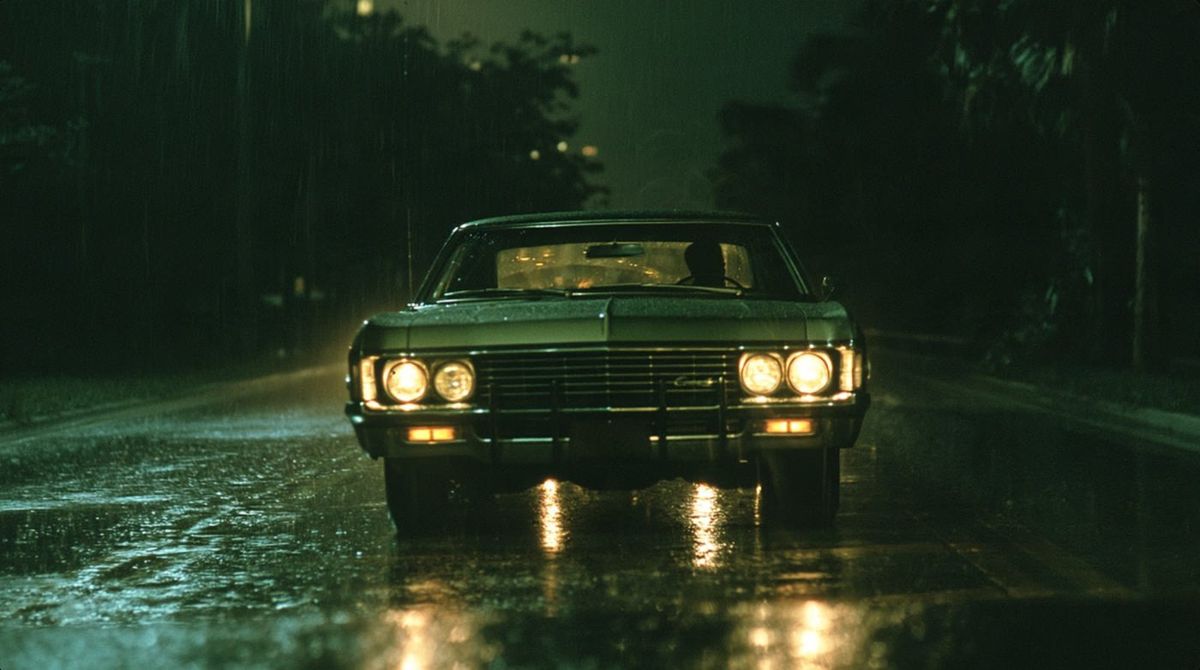
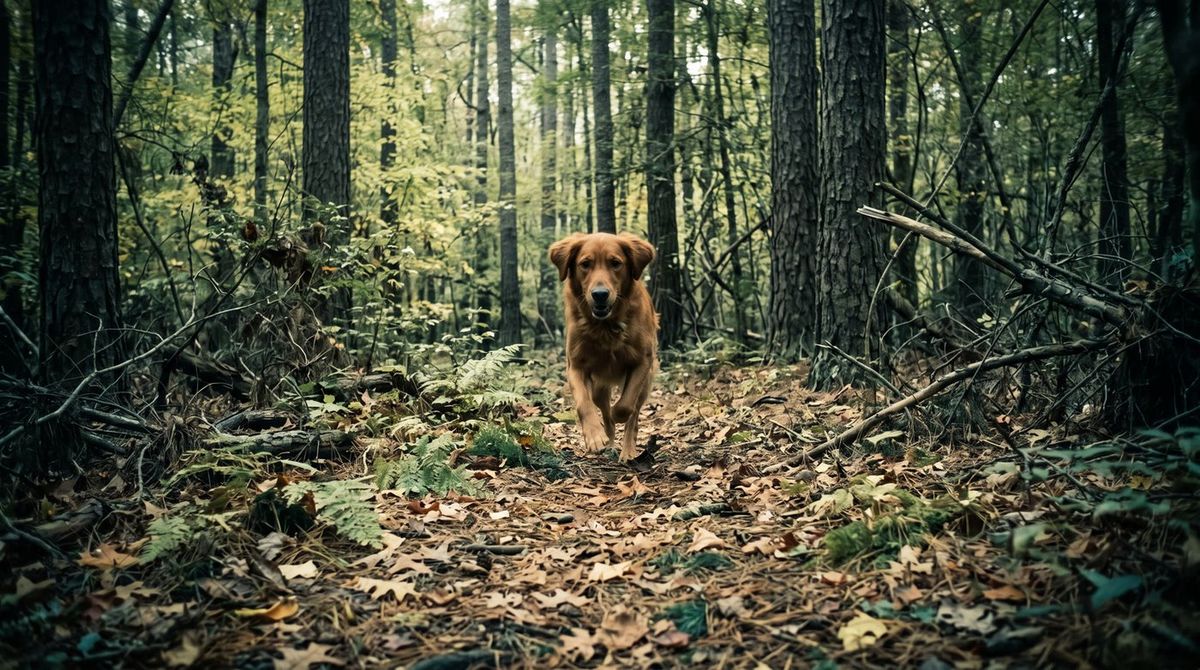
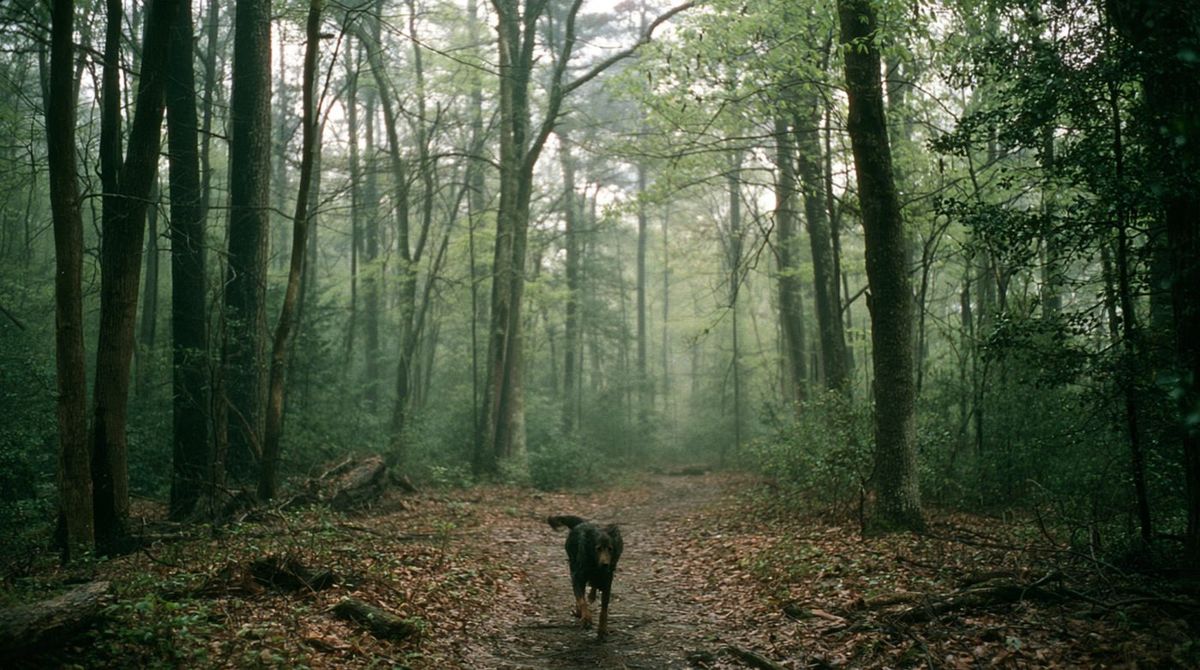
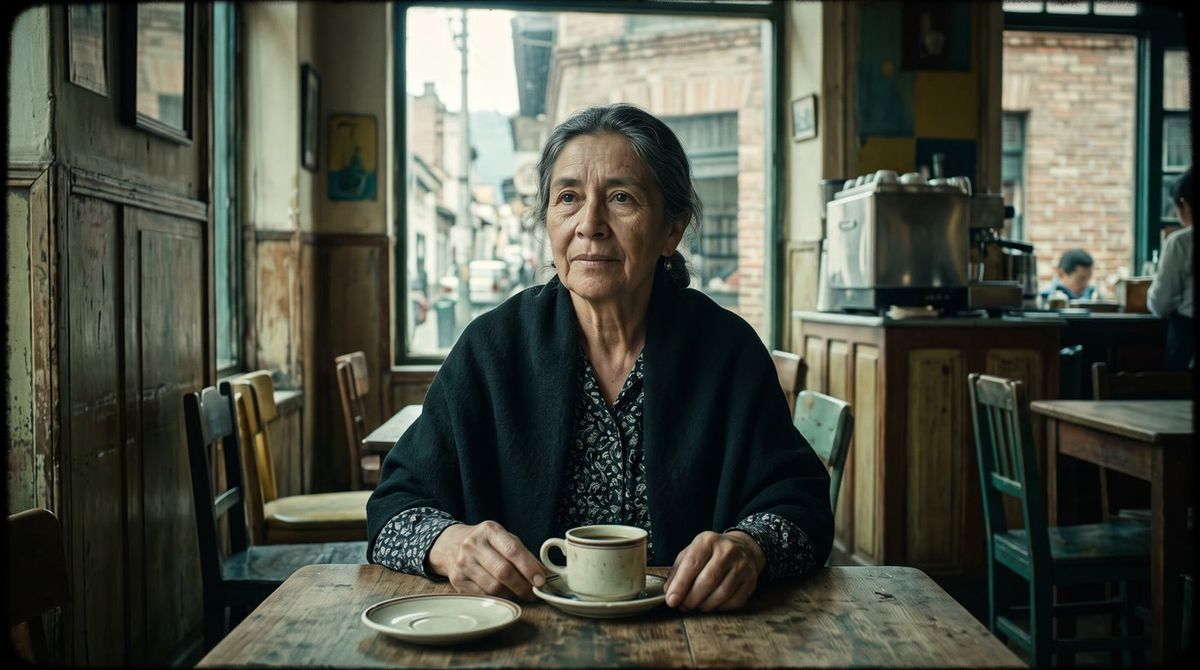
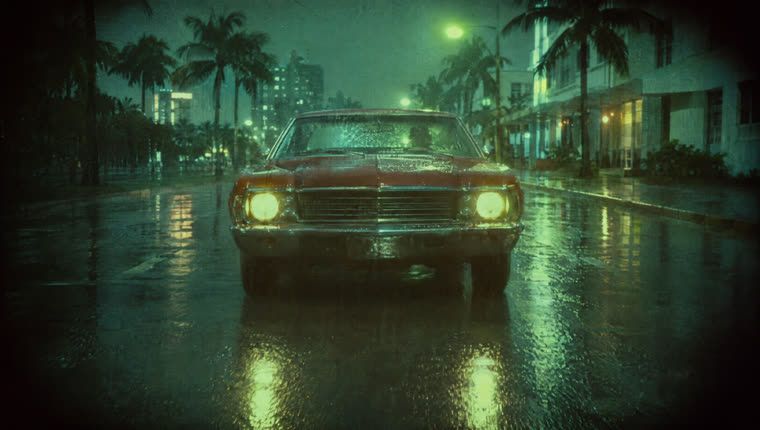
Look 2 of 5: Old film, flat and frontal
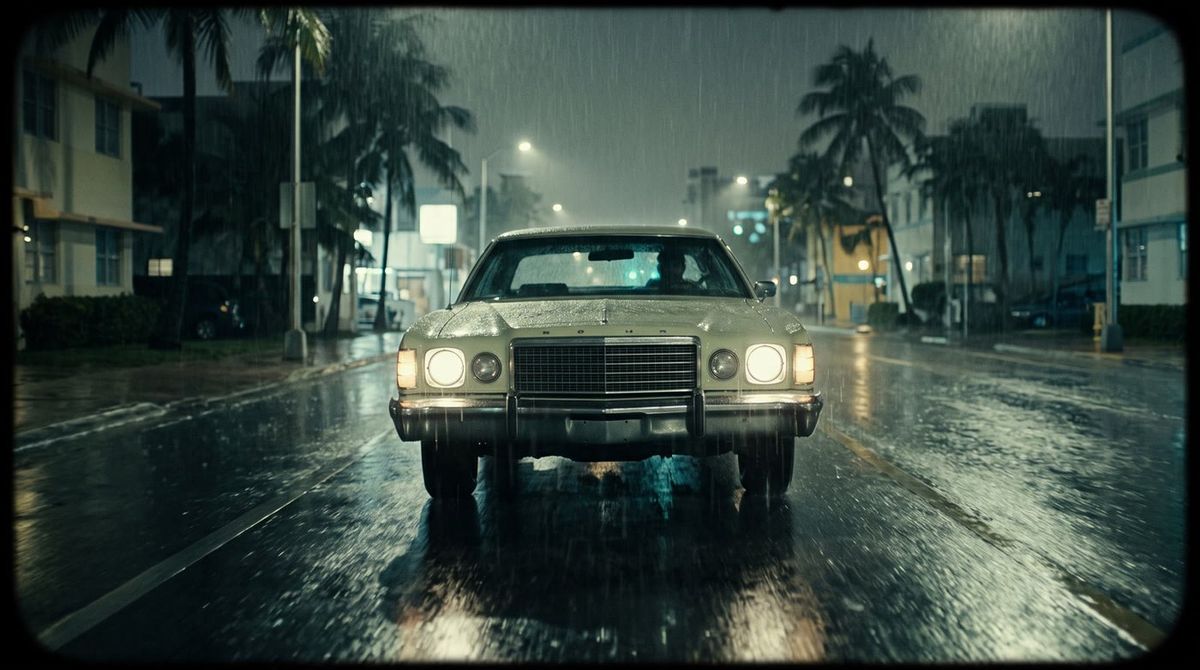
The recipe in one line: Sixties slide film, green-yellow highlights, heavy vignette, centered.
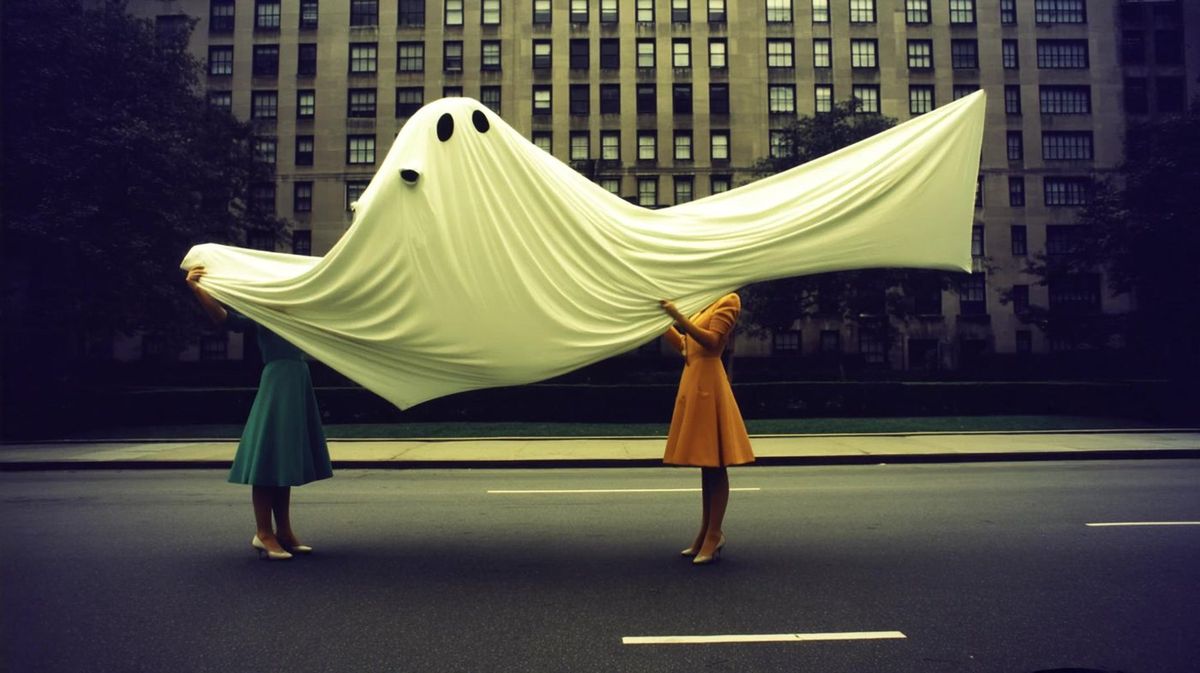
The strongest look of the five. GPT kept the flat, frontal framing three times out of three.
A car on a rainy night in Miami
A dog running in a forest in North Carolina
A 60-year-old Colombian woman in a café in Bogotá
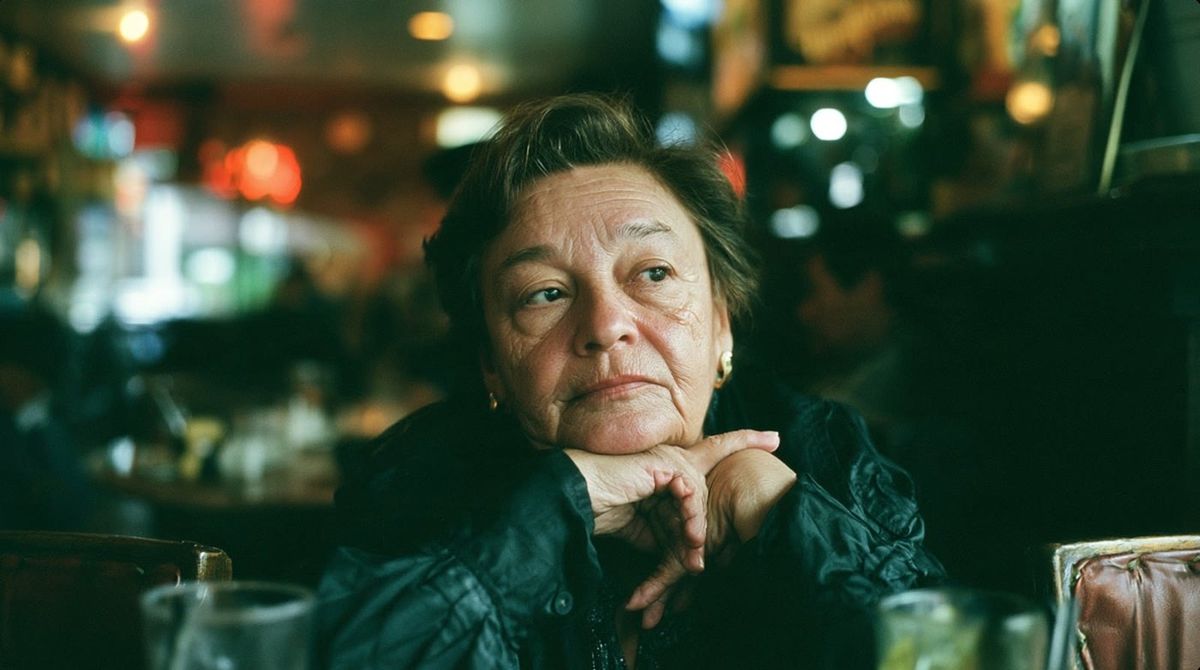
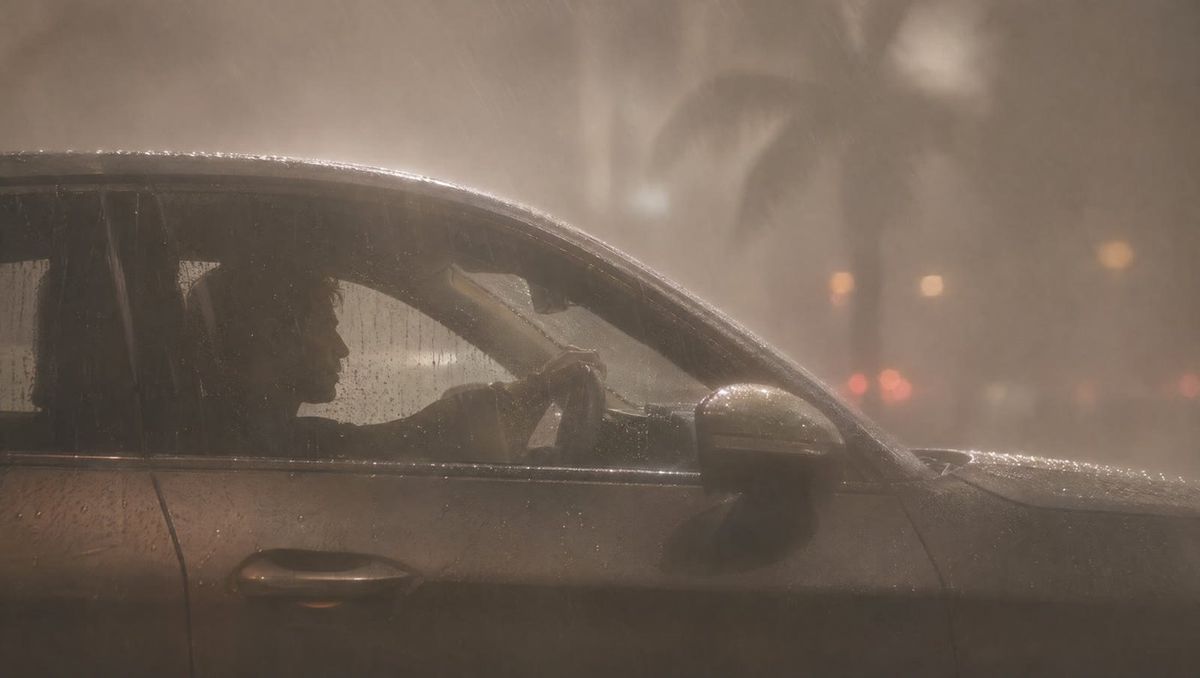
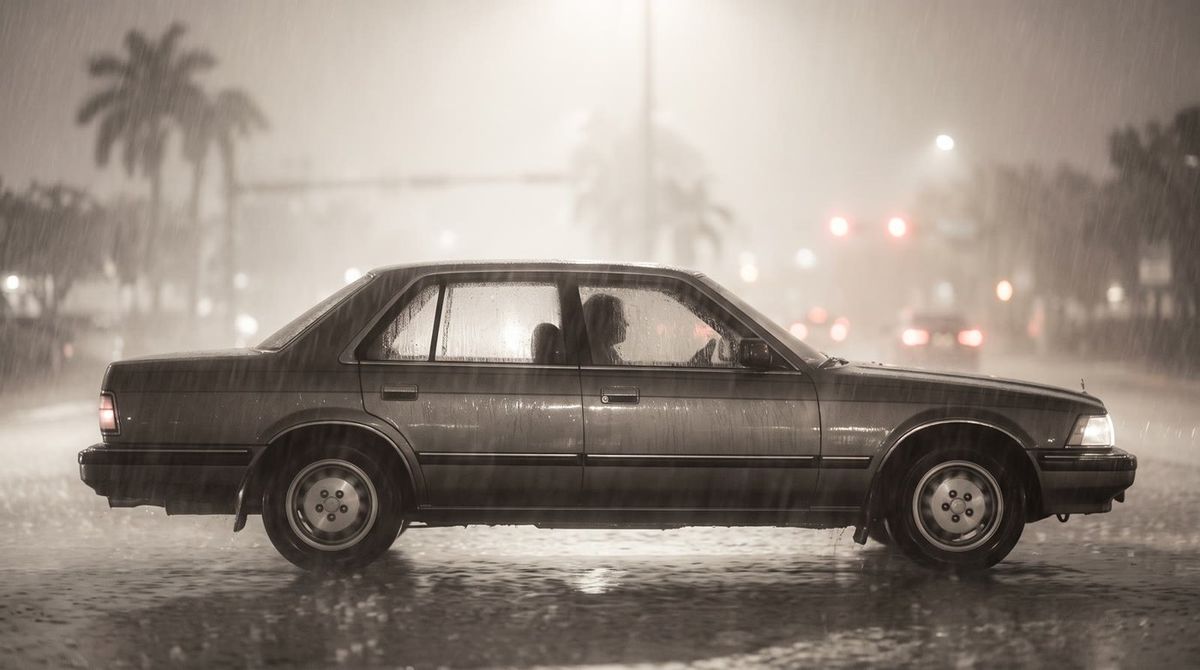
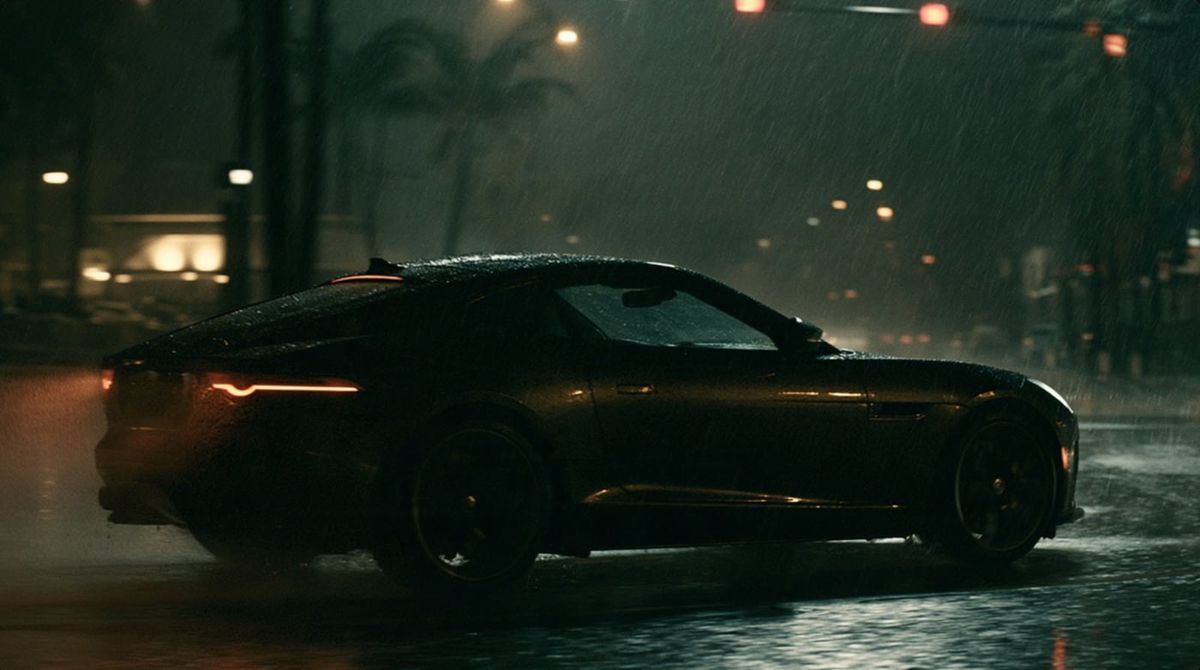
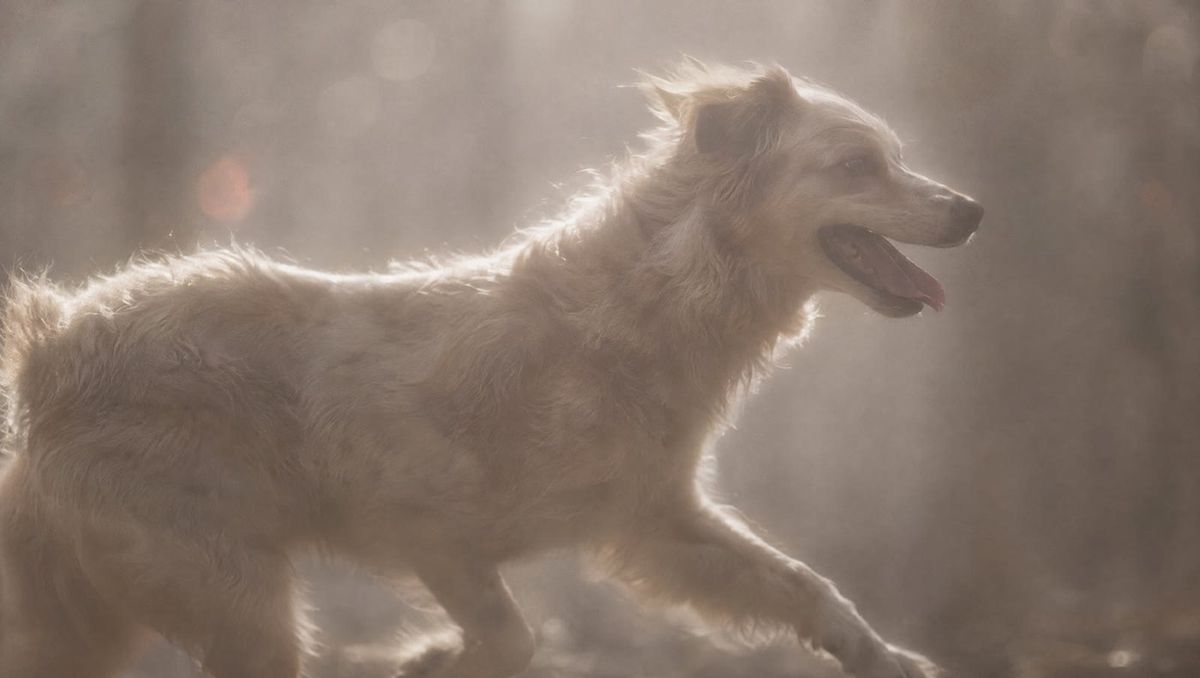
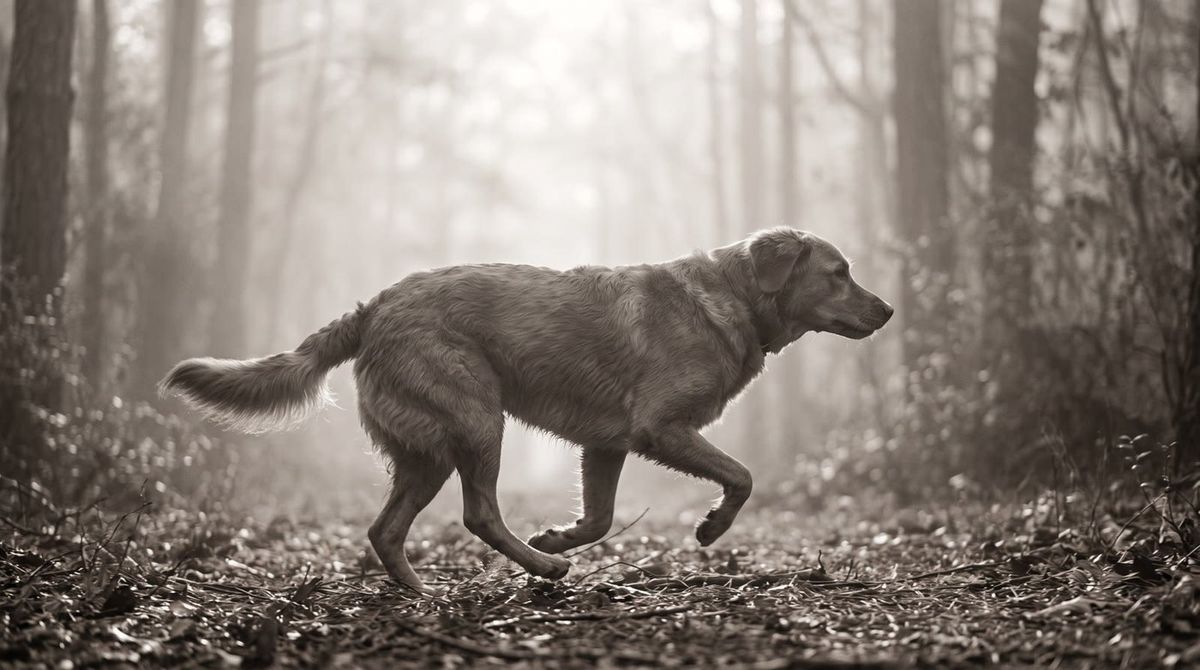
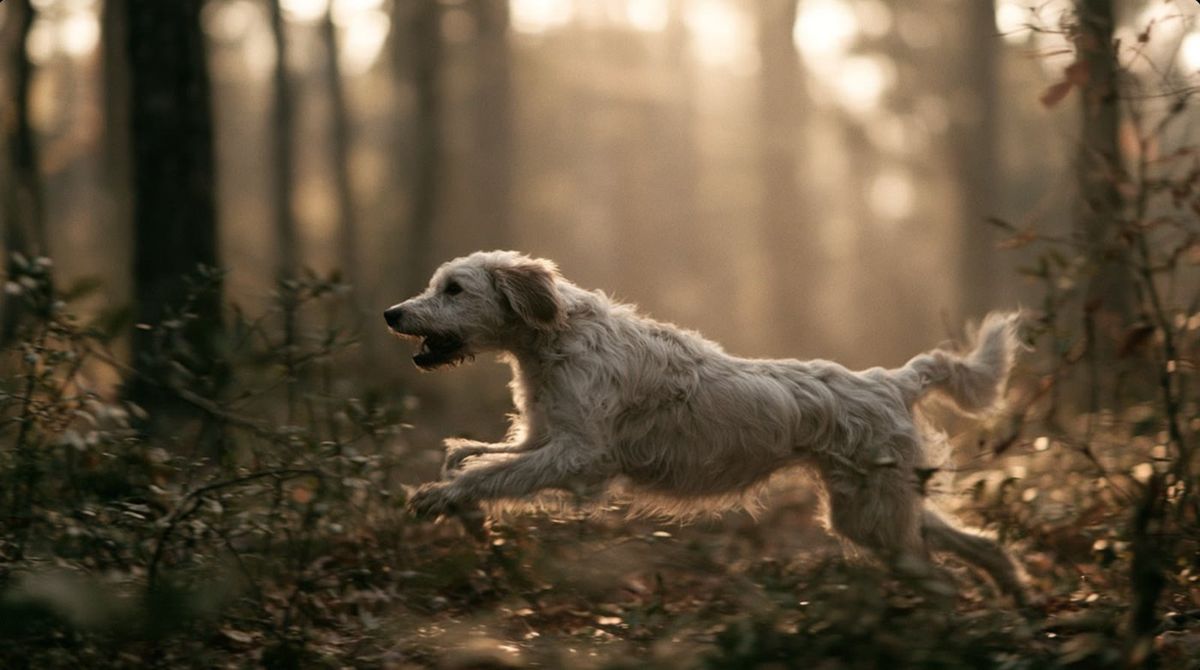
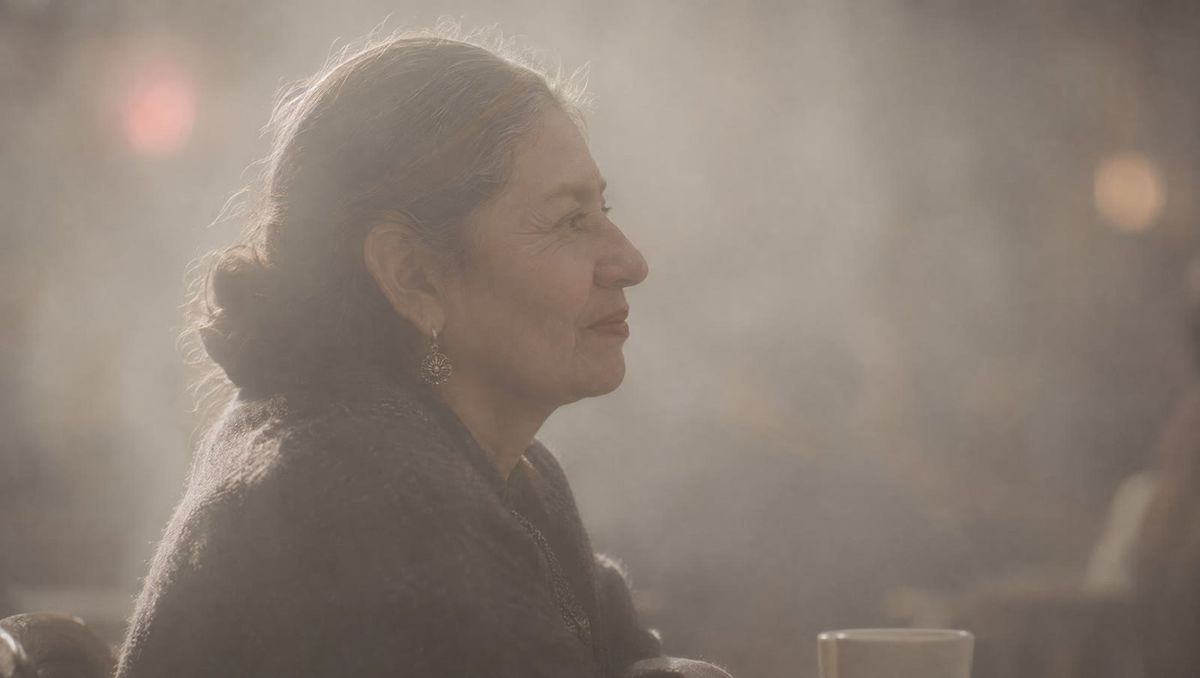
Look 3 of 5: Backlight in haze
The recipe in one line: A big soft light from behind, milky haze, almost no color, side view.
All three models turned the subject sideways and lit it from behind.
A car on a rainy night in Miami
A dog running in a forest in North Carolina
A 60-year-old Colombian woman in a café in Bogotá
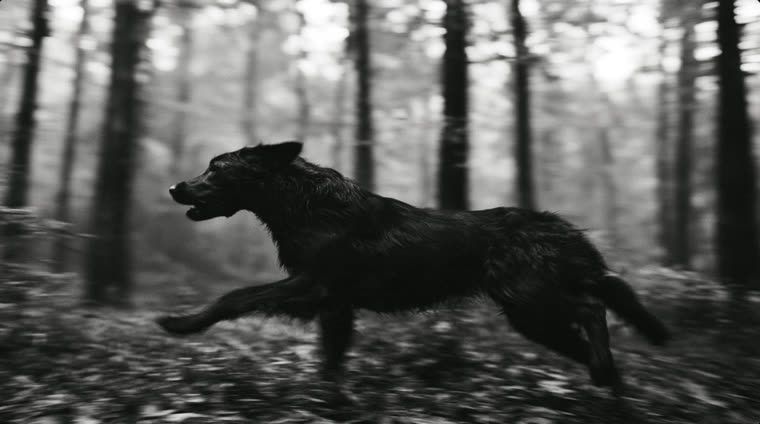
Look 4 of 5: White studio
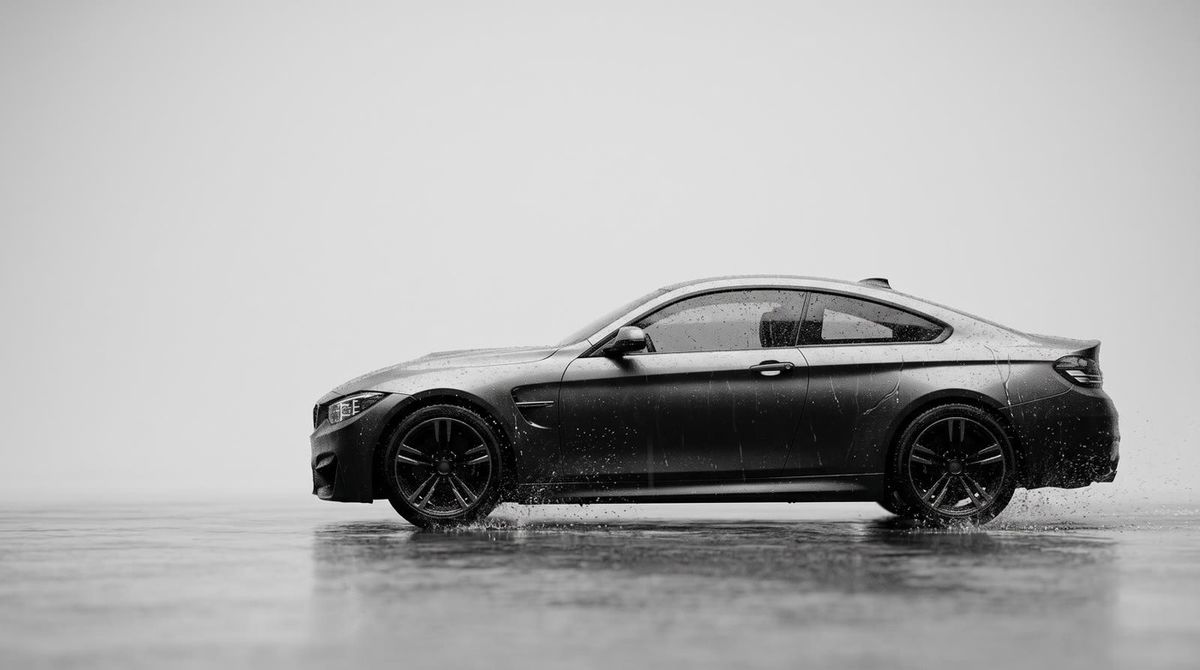
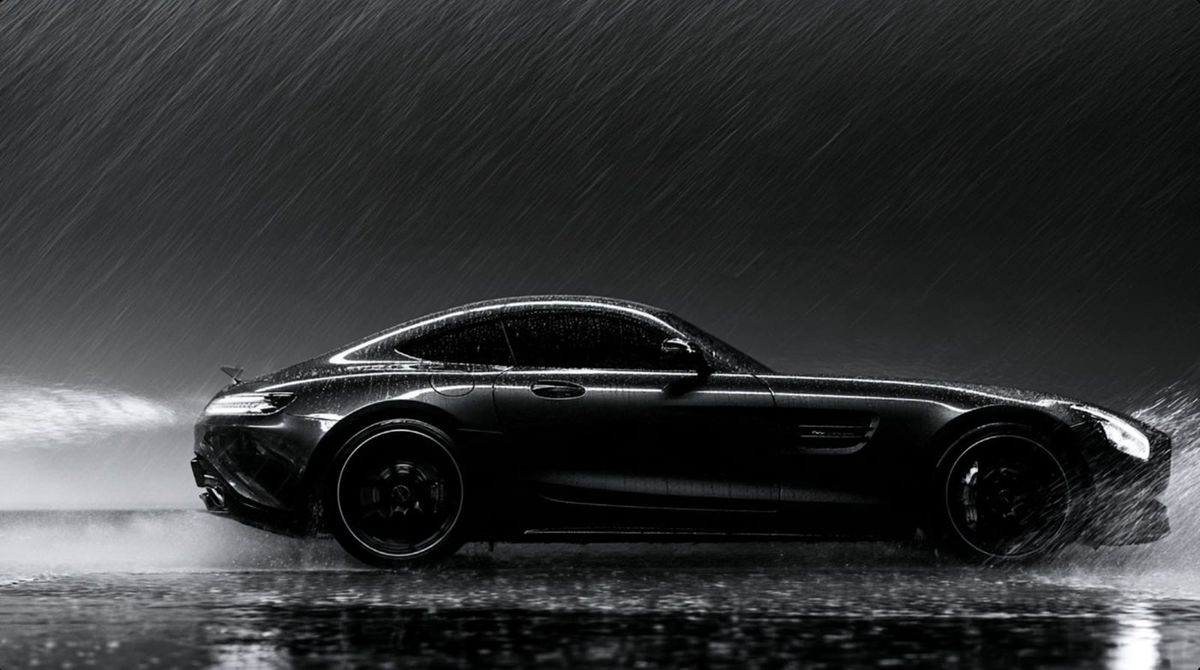
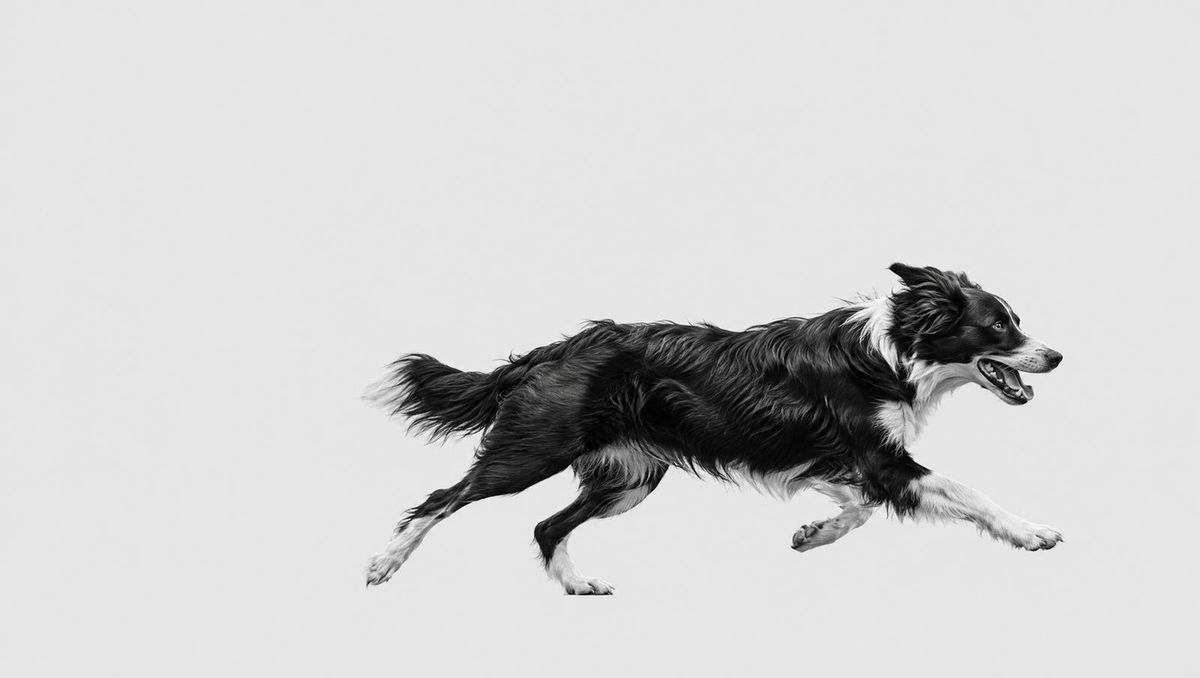
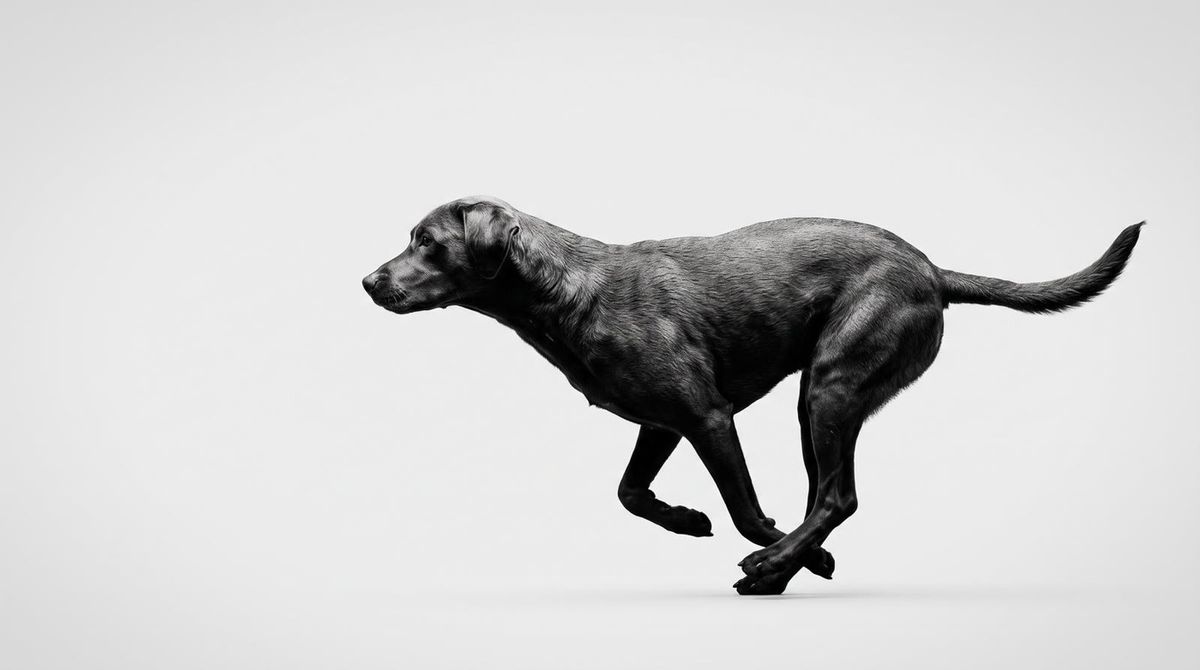
The recipe in one line: Pure black and white, exact side view, cut out on a clean pale background.
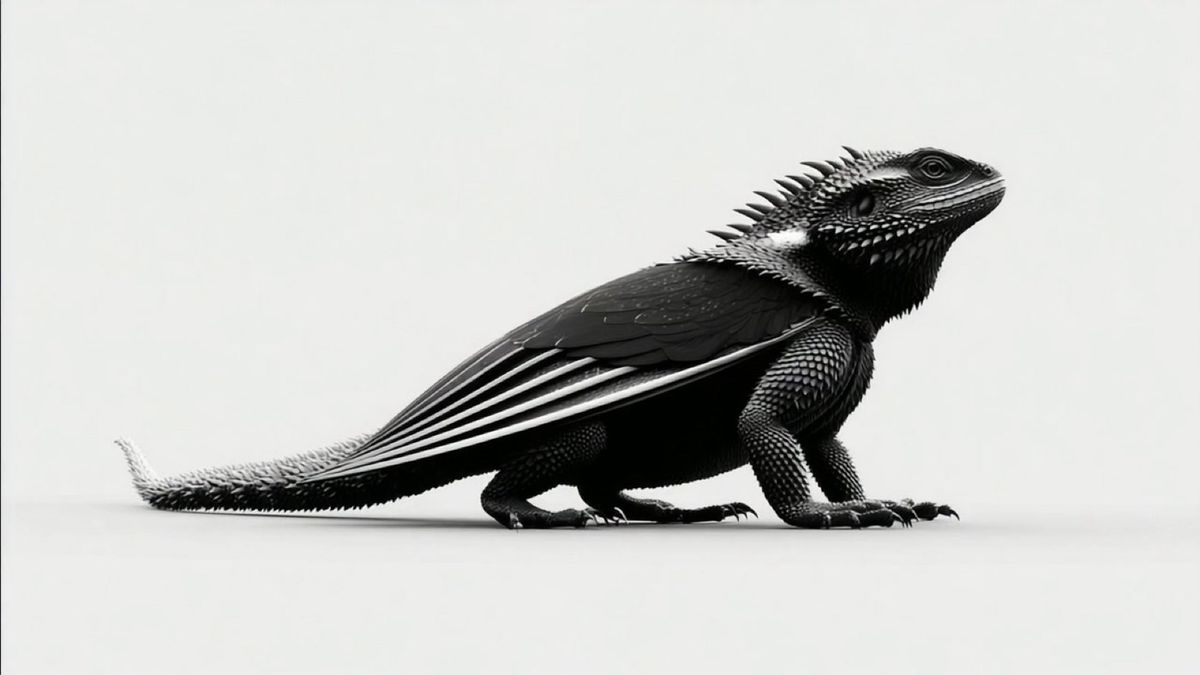
A perfect match that removes the place. No Miami, no forest, no Bogotá. That is what a studio look does.
A car on a rainy night in Miami
A dog running in a forest in North Carolina
A 60-year-old Colombian woman in a café in Bogotá
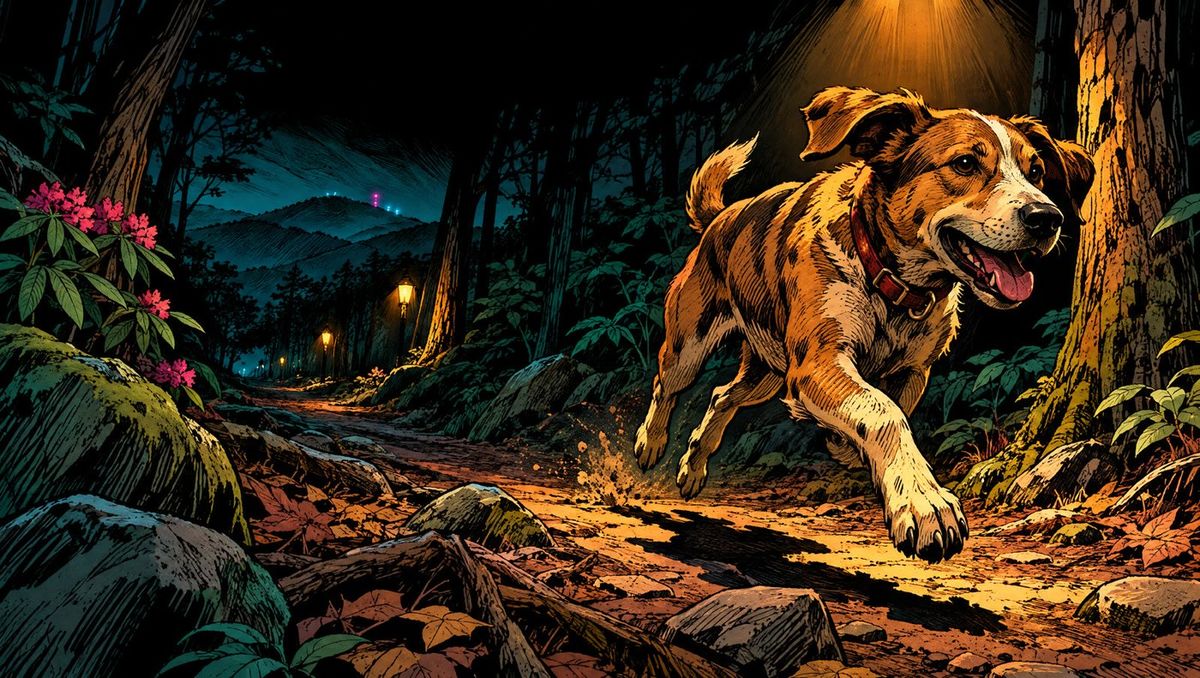
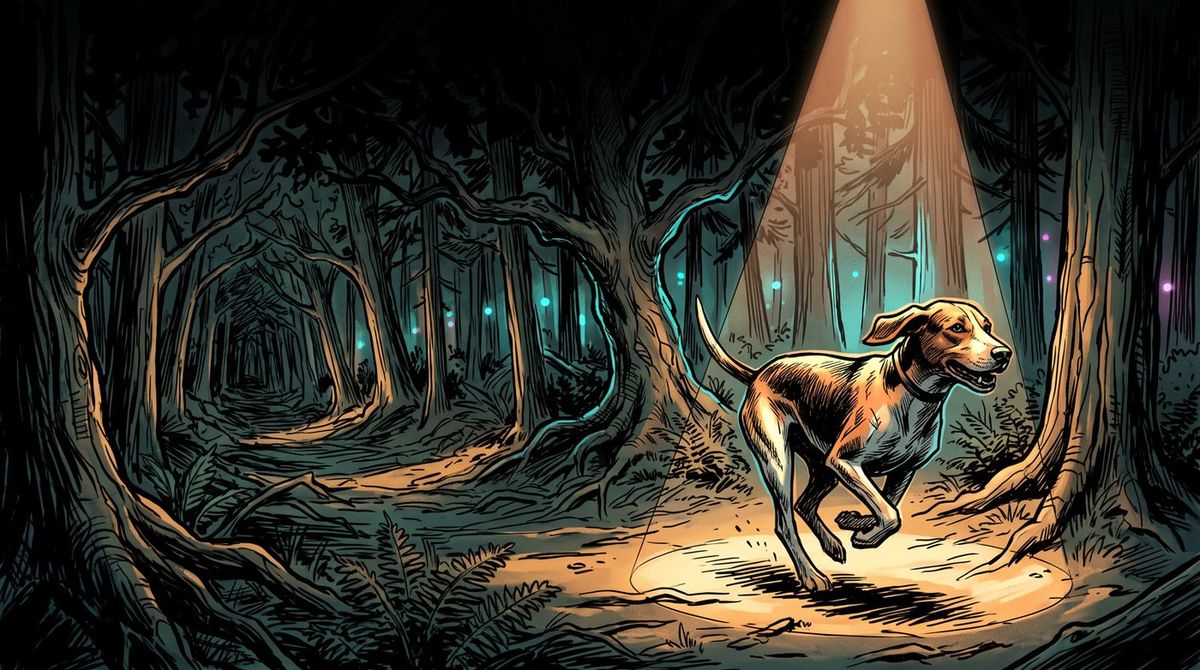
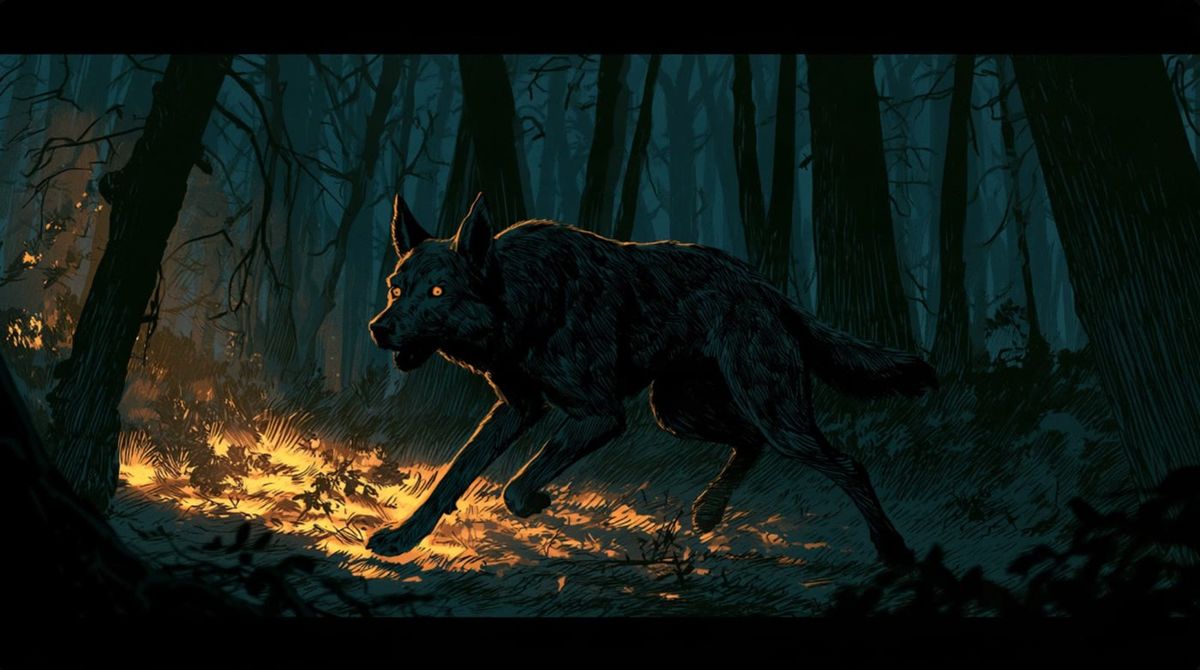
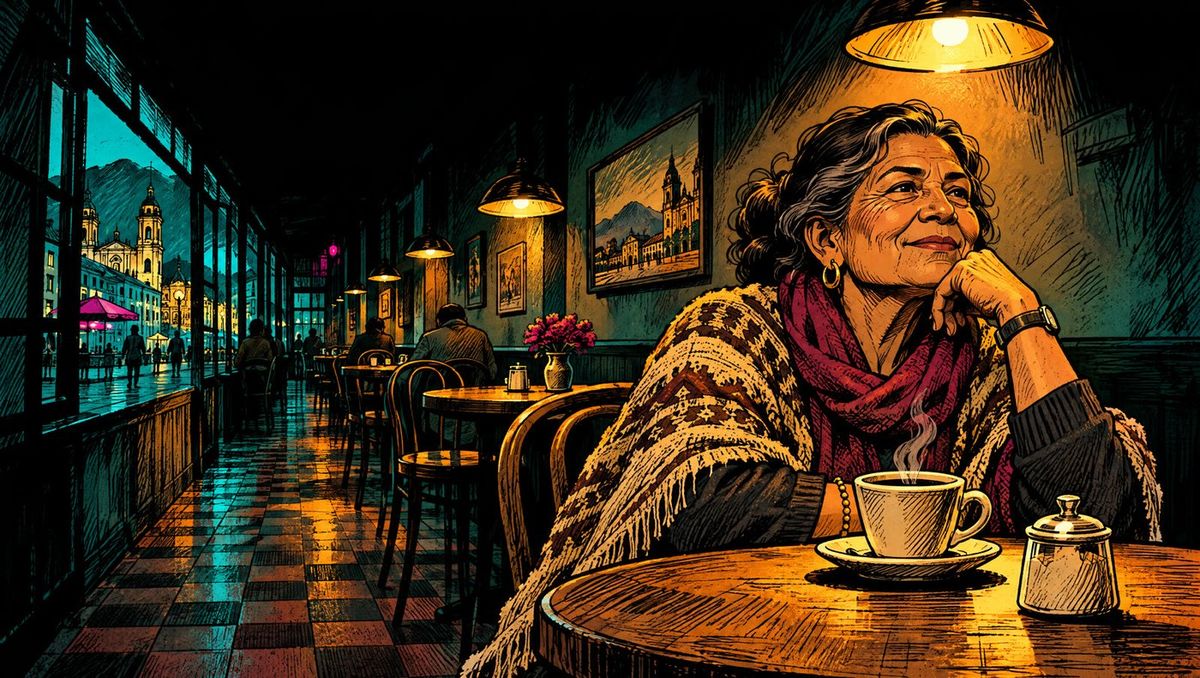
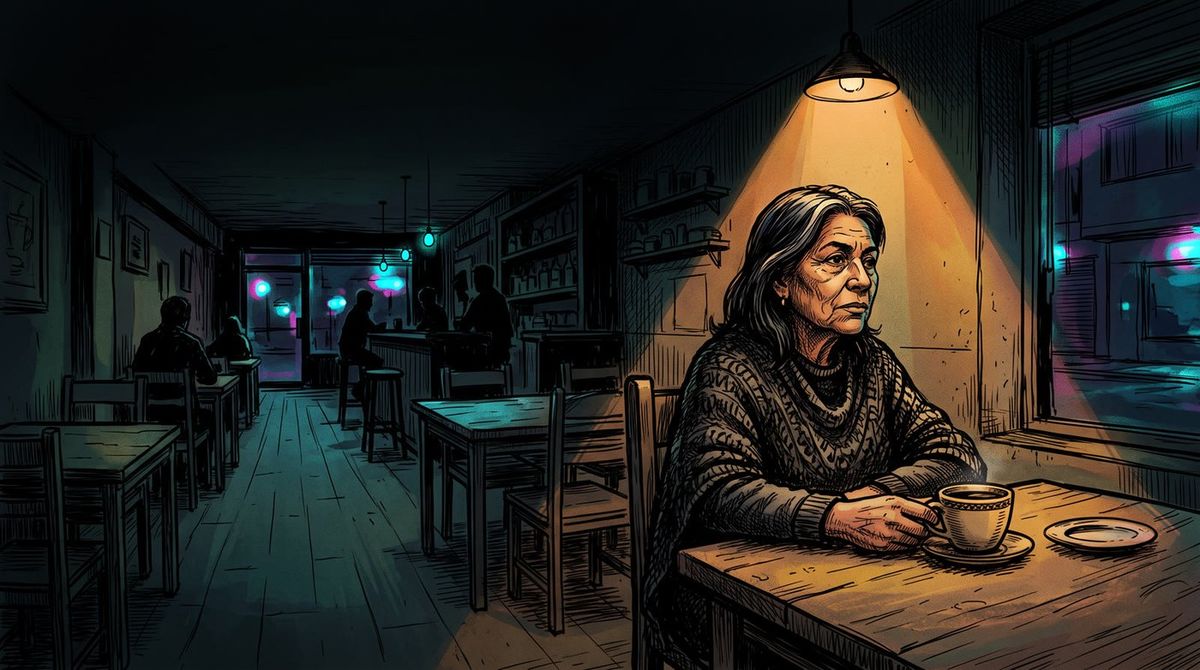
Look 5 of 5: Inked comic
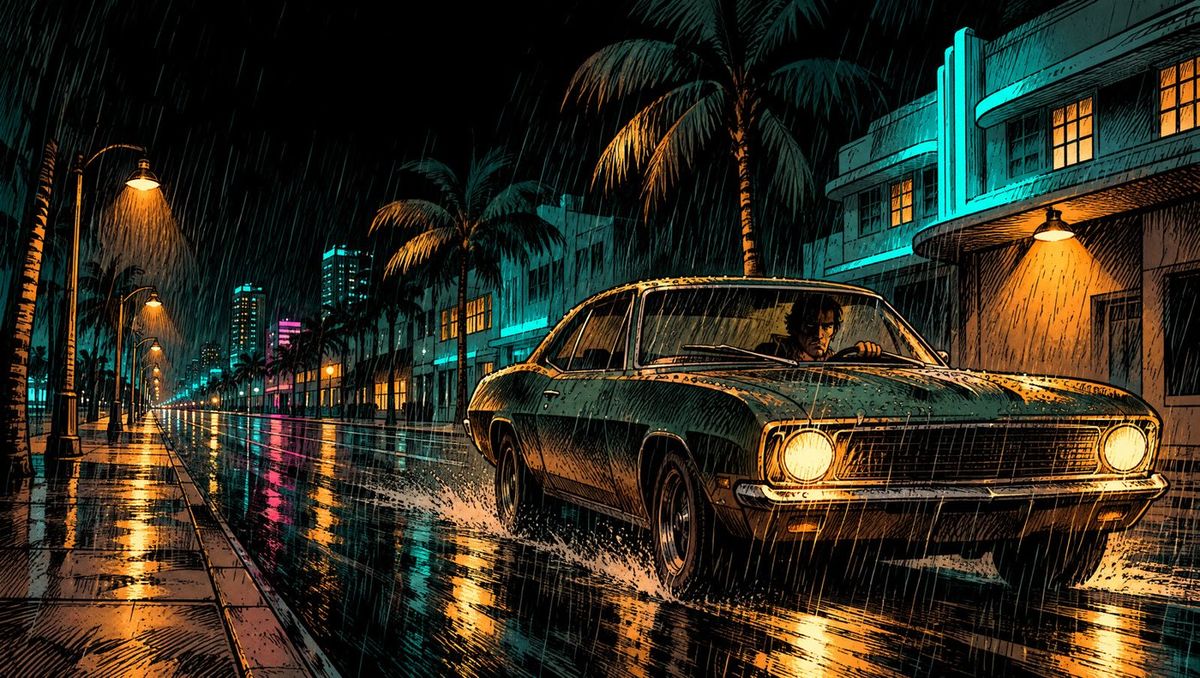
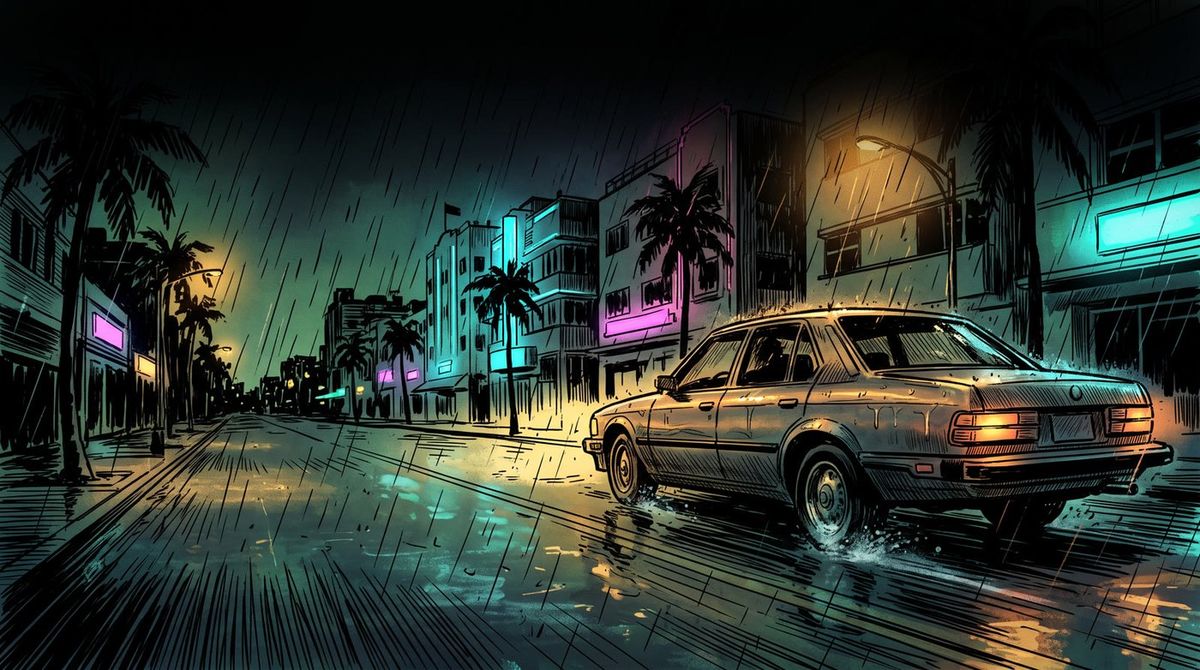
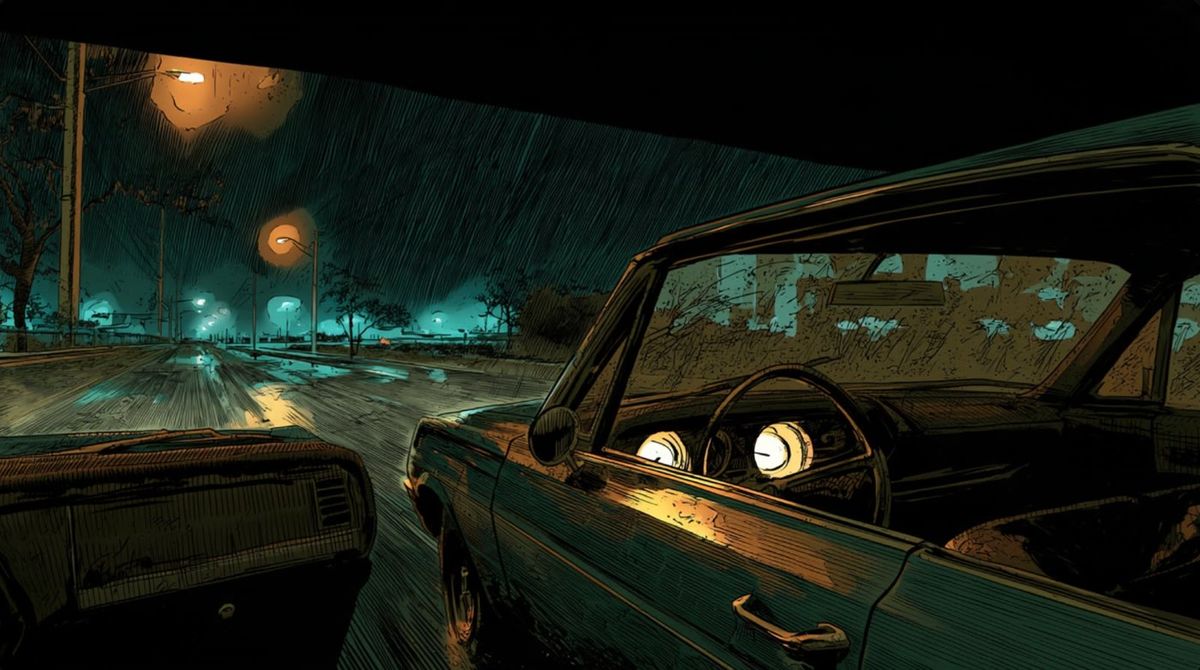
The recipe in one line: Thick black ink lines, near-black background, pools of warm light, cyan accents.
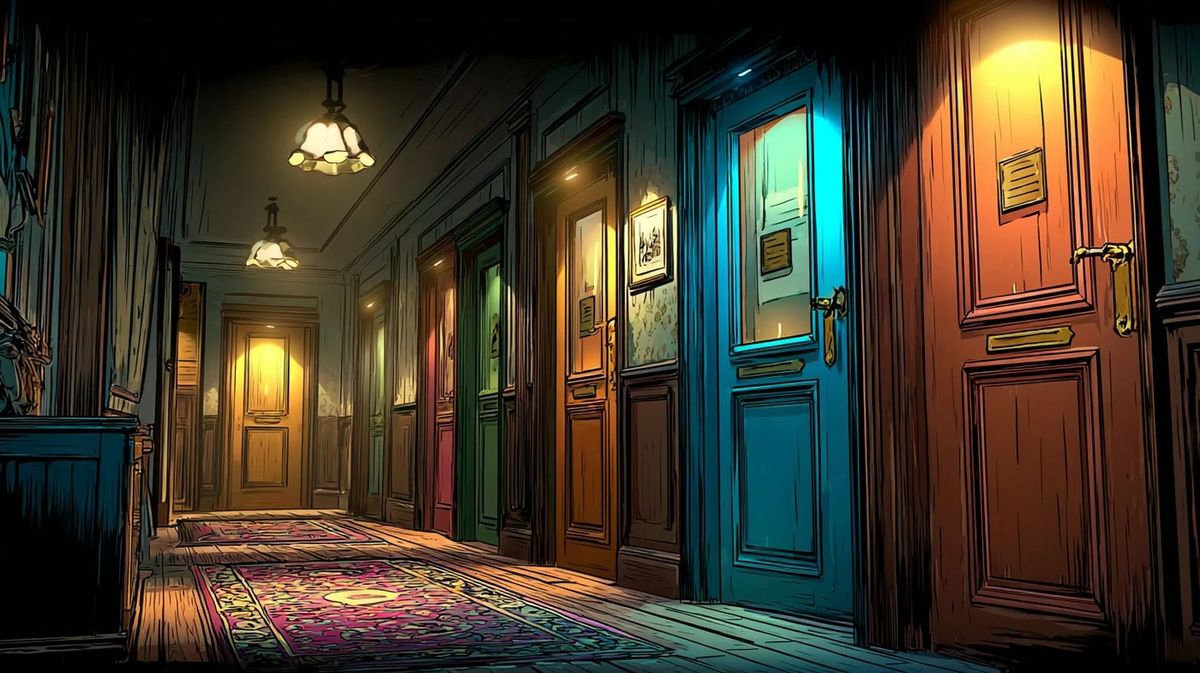
The recipe works for illustration too. GPT kept the most color. Nano Banana went almost all teal.
A car on a rainy night in Miami
A dog running in a forest in North Carolina
A 60-year-old Colombian woman in a café in Bogotá
Every score, in one table
Three pictures per look, each scored from 1 to 5, so each cell is out of 15. Recipes in English.
| Look | GPT 2.6 | Nano Banana 2.1 | Midjourney 8.2 | |||
|---|---|---|---|---|---|---|
| Out of 15 | Look | Subject | Look | Subject | Look | Subject |
| Storm on the run | 15 | 14 | 11 | 15 | 14 | 13 |
| Old film, flat and frontal | 15 | 15 | 12 | 13 | 12 | 12 |
| Backlight in haze | 15 | 12 | 12 | 14 | 12 | 14 |
| White studio | 15 | 9 | 15 | 9 | 12 | 10 |
| Inked comic | 15 | 14 | 12 | 15 | 13 | 11 |
| Total, out of 75 | 75 | 64 | 62 | 66 | 63 | 60 |
The white studio look scores low on subject for every model. A studio look removes the place. The car, the dog and the woman are there. Miami, the forest and Bogotá are gone. If the place matters, choose another reference.
Each model has a habit
- GPT 2.6 does what the recipe says. 75 out of 75 on look. A wrong recipe gives a wrong picture. It also adds small lights: two forests got street lamps.
- Nano Banana 2.1 keeps the subject and cleans up the look. It is the best at the place and the action. It made our storm sharp, with no blur and no grain.
- Midjourney 8.2 makes the most believable photographs. They look like frames from a film. It takes the recipe as a mood, so the framing drifts.
So the choice depends on the job. When the look is the brief, use GPT. When the subject and the place are the brief, use Nano Banana. When it must feel like a real photograph, use Midjourney. When you are not sure, make all three and choose by looking.
This is what we saw in 45 pictures per language. A new model version can change it.
Spanish or English? Almost the same
We made all 45 pictures with the recipe in Spanish, then again in English.
| Model | Look, Spanish | Look, English | Subject, Spanish | Subject, English |
|---|---|---|---|---|
| GPT 2.6 | 75 | 75 | 65 | 64 |
| Nano Banana 2.1 | 60 | 62 | 64 | 66 |
| Midjourney 8.2 | 57 | 63 | 64 | 60 |
GPT and Nano Banana are almost the same in both languages. Midjourney follows the recipe a little more in English, because it rewrites a long English prompt into its own short one and leaves Spanish alone.
For a team that works in Spanish this is good news. Write the recipe in the language your team thinks in.
I did not make the manual. Fibo did
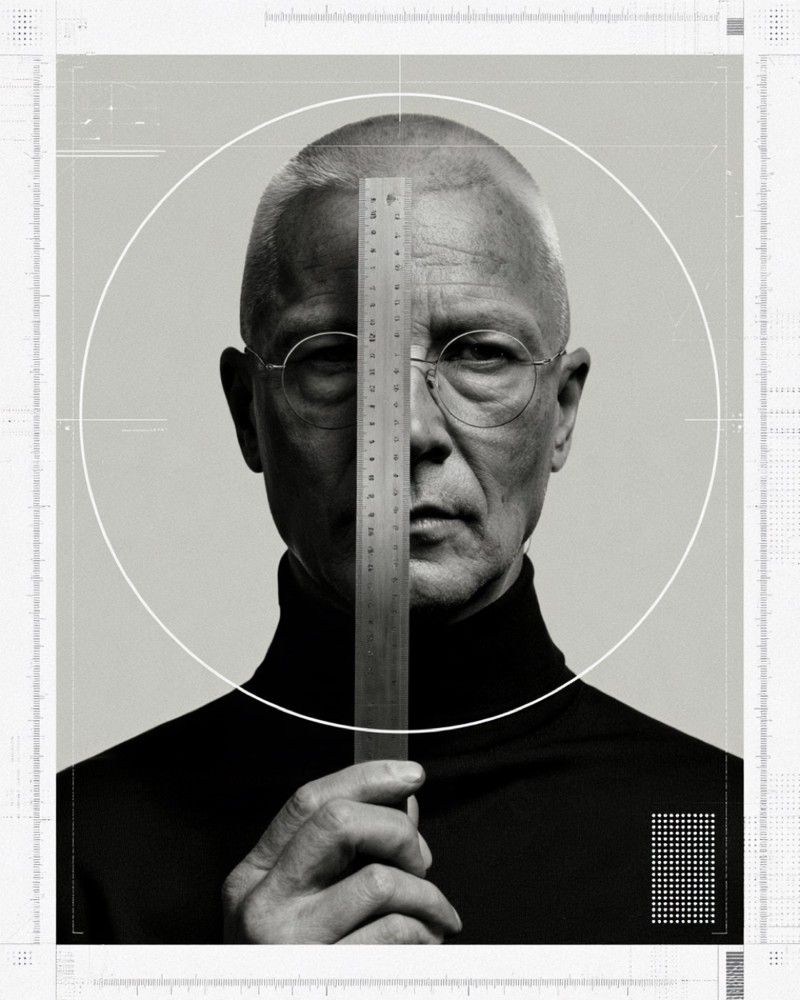
Fibo is the designer at Unpredator. Fibo is my AI design colleague, and we learn from each other quite a lot. That is also part of the experiment.
The name comes from the Fibonacci sequence, one of my favorite ideas in design. I learned it studying graphic design in Darmstadt.
Fibo is Claude, the AI model made by Anthropic, working with a rulebook we wrote together. The rulebook holds how to design, the Unpredator brand book, and every yes and every no I have given. Each time I approve or reject something, Fibo writes it down in my own words. The next piece starts from there.
Fibo works with type first and composition second, in the tradition of Swiss design and the Bauhaus. Before showing me anything, Fibo opens every picture and asks seven questions of it. Fibo writes the directions, and the image models that are stronger at making images make the pictures.
For this piece Fibo ran the tests, had the 126 pictures made, scored them, and wrote and designed the manual.
I brought Kevin's lesson and five of my pictures. I asked the questions. I said no to the first design, which had a black background. I asked for bigger pictures, then for more white space. And I caught a dog with five legs that Fibo had missed.
This is how we work at Unpredator. We are three people and about thirty AI colleagues. The AI colleagues are fast and good. They need what any team needs: a clear brief, the right information, and a person who looks at the work and decides.
What we don't know
One picture per model per subject. A second try can look different. We did not measure how much.
Fibo scored every picture and also wrote the prompt. One viewer, and not a neutral one. A person may score lower. A real test needs several people scoring without knowing which prompt made which picture.
Midjourney makes four pictures each time. We took the first, except once: the first white studio dog had five legs, so we took the next one that was right.
Claude still slips. It wrote "a dark subject" even with the rules. That is why the second move is to check the recipe yourself.
Five looks, three subjects. We did not test faces of real people, products with logos, or pictures with text in them.
A recipe carries light, color, texture and framing. It does not carry an idea. The idea is still yours.
How this was made
The experiment ran from 20 to 22 November 2026. The first round used Kevin's original prompt on four references. The prompt was then rewritten three times, with a full set of pictures after each change, until the leaks stopped. The final prompt is the one on this page.
The final run used five references, three subjects and three models: 45 pictures with the recipe in Spanish and 45 with the recipe in English. The other pictures of the 126 come from the earlier rounds.
GPT 2.6 and Nano Banana 2.1 were run through Magnific. Midjourney 8.2 was run in its own website. Every picture in the final run is 16:9. Claude read the references and wrote the recipes.
Each picture was scored from 1 to 5 for look and for subject by Fibo, looking at it beside its reference. The totals on this page are added by the page itself from those scores.
Try it on a picture of your own
Five steps, about twenty minutes.
- Pick a picture you like. One you made, shot or own.
- Give it to Claude with the prompt on this page.
- Check the recipe. Delete any thing, place, hour or event.
- Write the image prompt: one line for the subject, "No text.", then the recipe.
- Compare the result with the reference. Keep the recipe that works.
We put all of it in a manual for you to keep and use: One look. Any subject. (PDF, 42 pages).
Thank you, Kevin, for the lesson.
- [1]
Kevin Hutchinson Cortés. Visual consistency with AI, Act 4 of the AI Circus course, Miami Ad School Punta Cana, 2026. (no public link)
The lesson this experiment starts from, taught on 20 November 2026. The method of reading a reference into a JSON style sheet is his.
- [2]
Alvaro Melendez and Fibo. One look. Any subject. A field manual, Unpredator, 2026.
The same material as a 42-page PDF to keep, with every picture at full page size.